7 Books that influenced my current writing voice

I’ve already mentioned how I am loving atmospheric books. And some posts mention specific books that influenced my current writing voice.

In thinking about what makes a book stick around in my mind and convince me to convince others to read it, it’s typically the author voice. The author voice and using the setting as a character.

Some books do that with such near-perfection, it’s hard to let go of the story and the characters. And those are the books that impact my own author voice, for the better.

Here’s a list of 7 books that have influenced my writing in terms of voice and tone, and have taught me how use the setting as a major character, the plot as a dreamy wonderland, and the characters as beautiful creatures that are so flawed, they’re perfect.

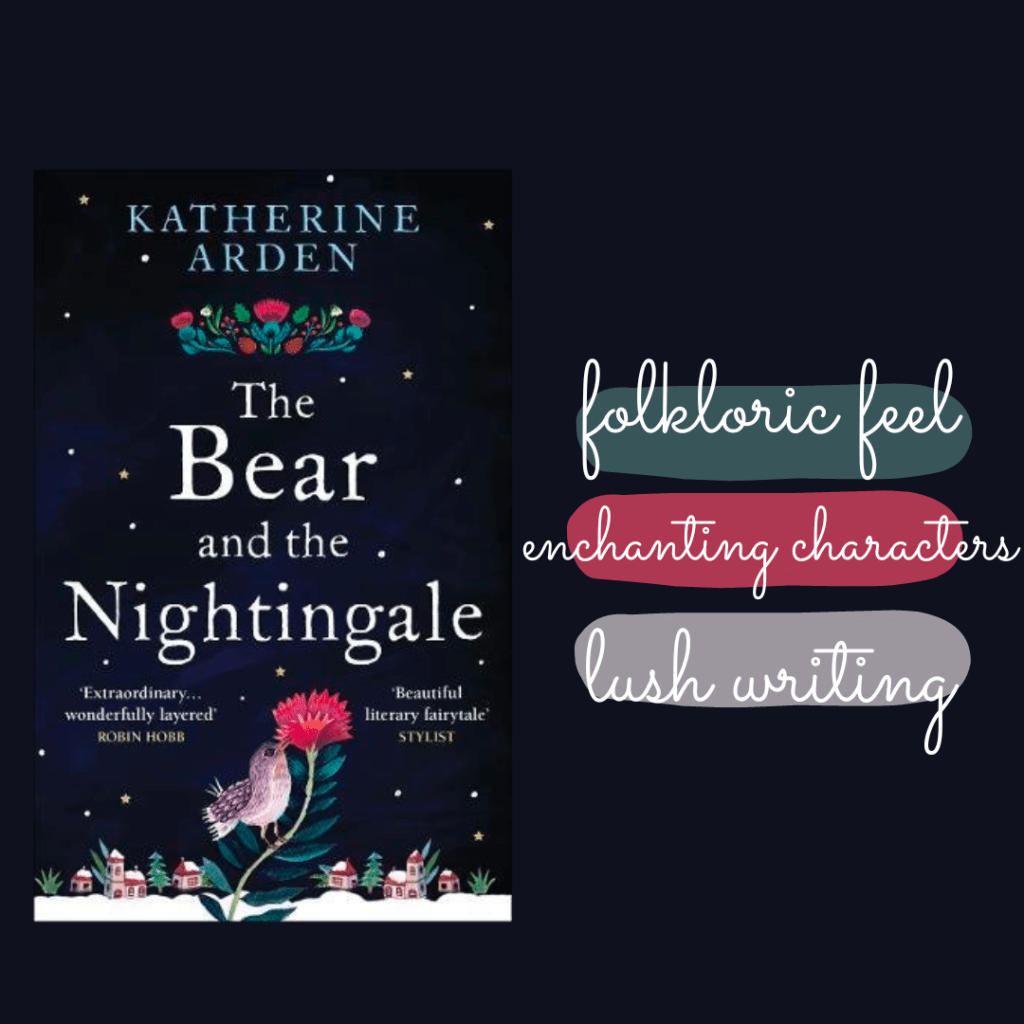
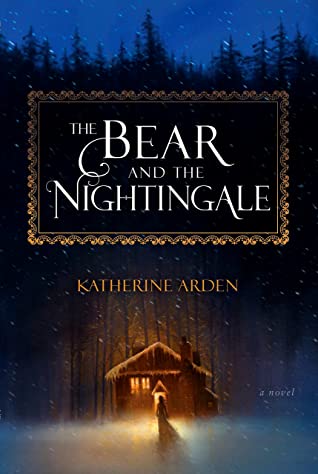
The Bear and the Nightingale by Katherine Arden

The wintry setting in Russia’s woodlands, and the glittering cities in the Kremlin bring this book to life in ways I wouldn’t have expected. And with the wild and eerily magical Vasya, who is such a perfectly flawed character it’s hard to feel anything but riveted by her, The Bear and the Nightingale not only brought a touch of atmosphere to my own writing, but also opened up a new love affair with Russian folklore.

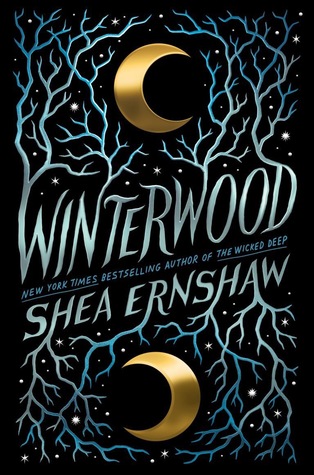
Winterwood by Shea Ernshaw

The woodsy setting and the moonlight magic had such an earthy and ancient, yet fresh feel to it that I couldn’t help but be drawn in. And though I thought the story was a typical people-fear-young-witch story, the setting and the magic itself brought a fresh air to the plot. Nora Walker’s magic wasn’t anything extraordinary, but her lineage, the recipes and pages of the Walker witch family magic book, and the feel made this story memorable. It also reminds me that setting is a character, and could be the most important one. Keep that in mind when you’re writing your own book! Read my full review here.

The Bone Houses by Emily Lloyd-Jones

Again, the earthy, woodsy setting was its own character, and it brought a mystical and tactile feel to the whole narrative. And that bone goat – a good reminder that even a sidekick can bring a new twist to your story. The magic was beautiful – dark and necromantic, but with a human and reverent feel to it.

Read my full review here.

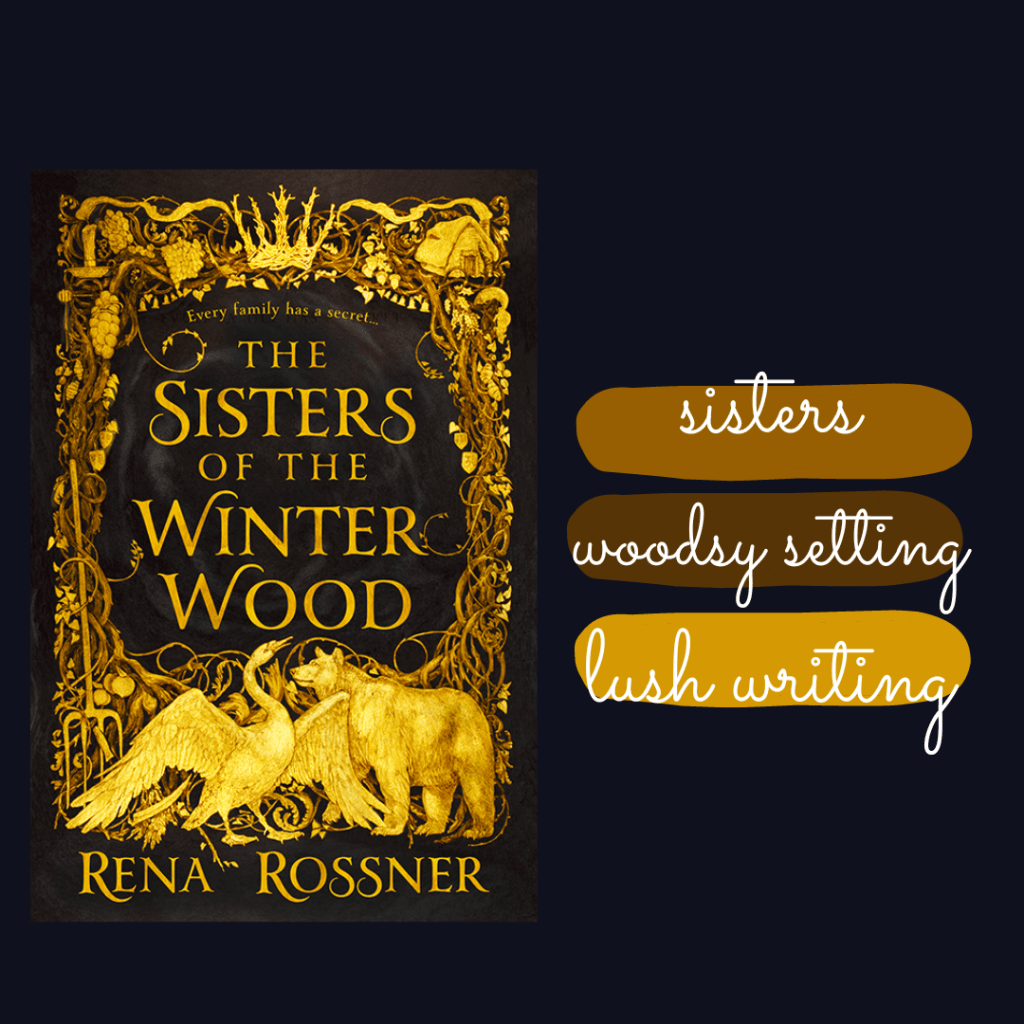
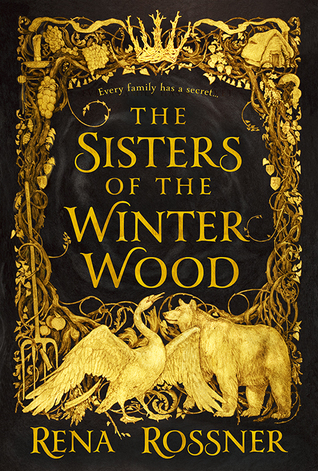
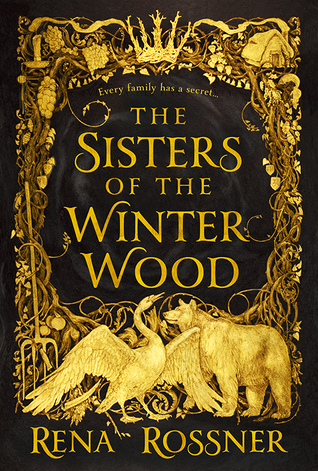
The Sisters of the Winter Wood by Rena Rossner

Again, those woods. earthy and ancient, the setting, once again, was its own character. And the sisterly bond made the story that much more human and heartfelt. The magic was old and raw, and though I don’t remember full details months after reading the book, I remember the feel.

A great book to learn how to bring in the folklore and mysticism of an existing culture, and making it your own.

Whichwood by Tahereh Mafi

Here’s how you take something dark, necromancy, and make it beautiful and magical. The setting here is not so much its own character as the townspeople are. The magic is the main focus, and, most importantly, character feelings are the plot-driver. The necromancy is such a beautiful take on the typical dark feel that magical system has, and it brought such color and light to the world that the unexpectedness of it all made me crave more. A good reminder that how characters feel is just as important, if not more, than what they do. This is a strong character-driven book and a great example of plush writing. Read my full review here.

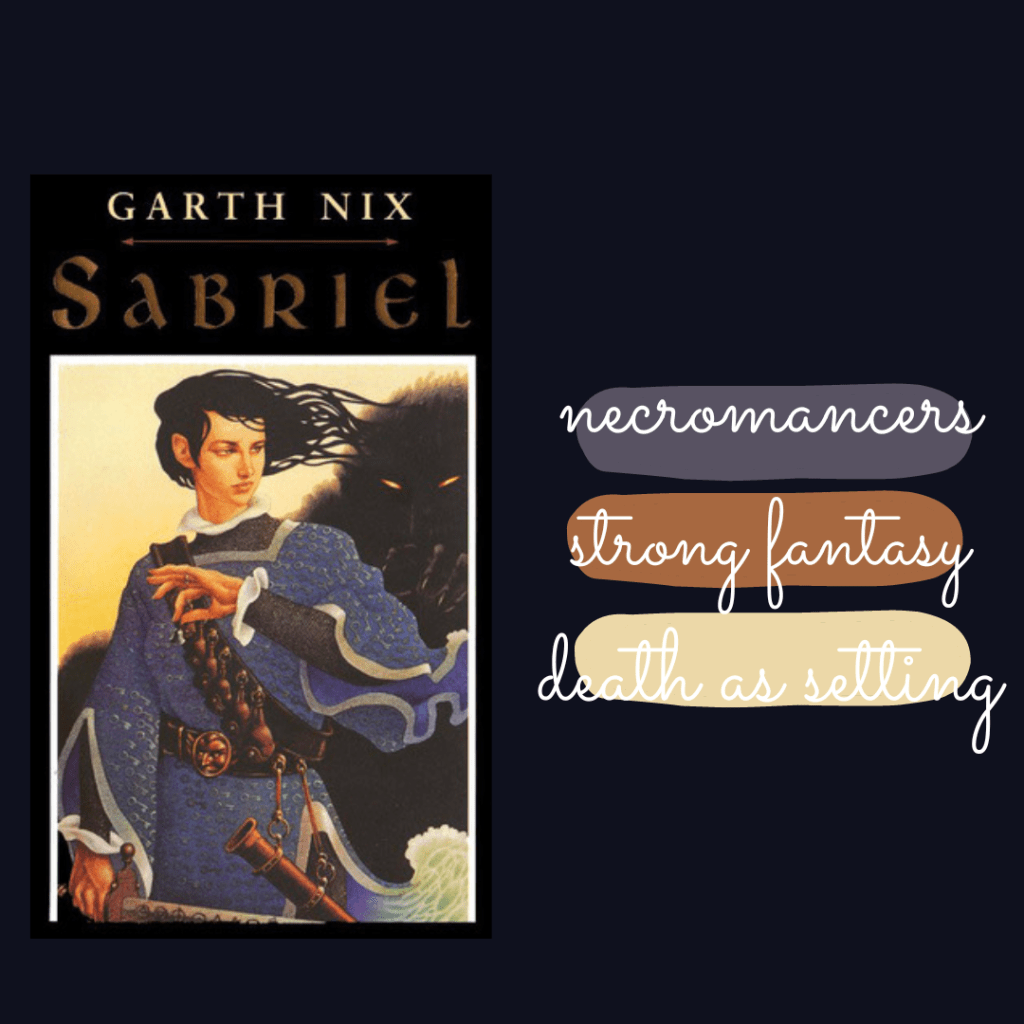
Sabriel by Garth Nix

This is how you build a world so big and powerful, you can get lost in it for ages. Sabriel has such a strong magical system that it influenced all my books since reading it. Almost every fantasy book I have written for the past ten years has featured dark magic, necromancy, and a reserved yet caring female protagonist. I can’t imagine writing a story that doesn’t have those elements in it, simply because Sabriel influenced me that much as a reader and writer. The main trilogy is worth it, and are the subsequent books in the Old Kingdom series.

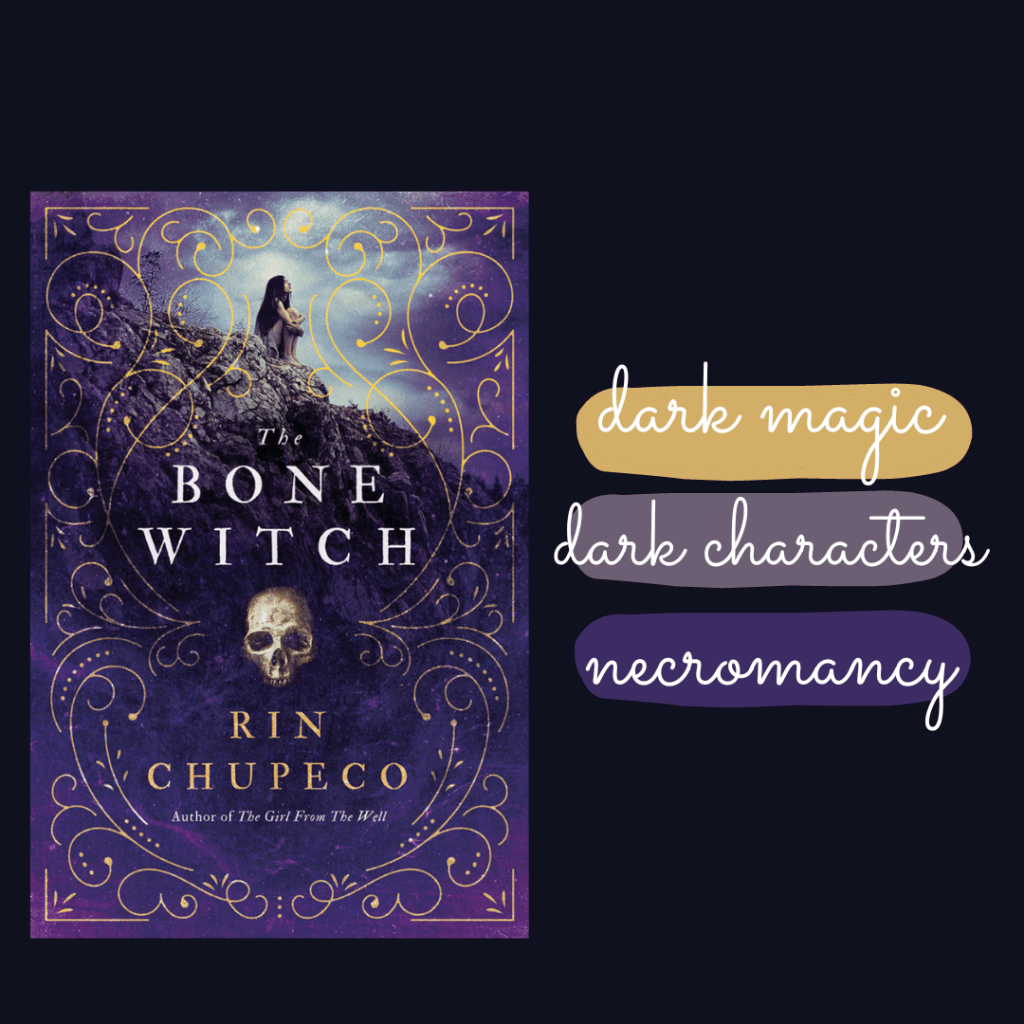
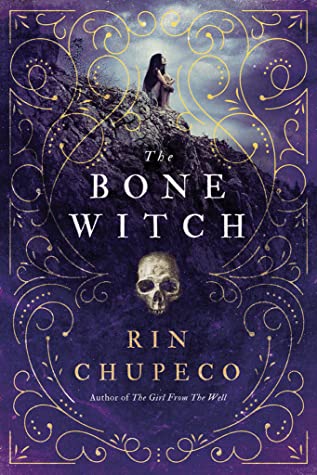
The Bone Witch by Rin Chupeco

The necromancy is strong in this book, with an added twist: raising the bones of ancient creatures and then commanding them with thought. I tried writing a book using this concept and failed to do it right -it’s harder than it seems. And Rin Chupeco does it with such skill. The book takes historical features like geishas, adds a dark magical system, and creates a whole new world and cast of characters. A great example of using what you know and then adding a twist to it. The feel of the magic is everywhere, and you just know how the magic can be used for good or ill, and how much havoc can be wreaked without the skill to manage it. Read my full review here.

*Originally published March 5, 2020.

Favorite Arab-inspired fantasy I’ve read

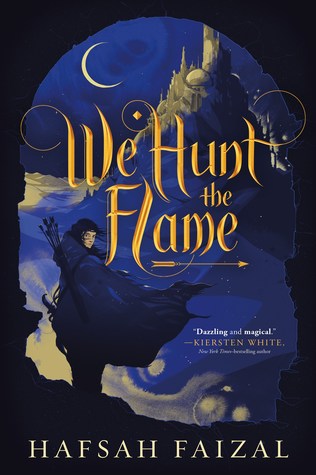
We Hunt the Flame

I love the Arabic words woven into the story and the main character being a huntress. The story feels like a fable, like oral tradition, passed down generations about a fabled woman who hunted in the dark woods, the Arz, and who went on a quest to save her village.

This Woven Kingdom

Beautifully wrought, a retelling of the Persia epic, Shanameh, it brings in jinns (my favorite) in a magical and fabled way. Another book that reads like oral tradition, it calls to mind the stories of lore that are both dreamy and instructive.

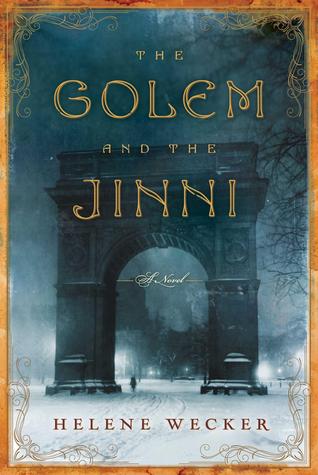
The Golem and the Jinni

One of my absolute favorites, the story takes place in the Arab Quarters of New York City in the 1800s. In weaves Arab and Jewish mythology, and brings to life a sector of history often overlooked. I felt as if I were there with Syrians, drinking kahwa in the coffeehouse and trading gossip. One of the best written books I’ve read.

An Ember in the Ashes series

Another beautifully written story, including jinns later in the series. The story is part mythology, part dystopian, all bite, and all emotion. I devoured this series, and couldn’t wait to get my hands on subsequent books when I first started reading it.

Ancient Sumerian retelling of “The Secret Garden”

Well, I’m finally doing it. The idea for a jinn retelling of The Secret Garden has been brewing in my thoughts for a while now. There aren’t many The Secret Garden retellings out there, and there are fewer Middle Eastern retellings of most of classic Western literature.

After thinking about it, and really wanting to use the Hanging Gardens of Babylon as a starting point for the garden aspect of the retelling, I started reading the Epic of Gilgamesh. The story speaks of the city of Uruk, which was an ancient city of Sumer situated east of the Euphrates River.

This seemed like a great city to include in the retelling, so all in all, this new manuscript I’m working on will feature ancient Sumerian history and culture, some mythology, and of course, my favorites, jinns.

I plan to include Sumerian words in there, too, even though it may not be fully accurate the way I use the terms, but I will try my best to be. And, of course, the Hanging Gardens of Babylon will feature in the story.

Here is the first working chapter:

Chapter One

Sixteen and straight as a river reed, Maryam hid under the low metal-and-wood bed in the assassin’s private quarters. She held her breath, listening to the screaming coming from beyond the door. 

She tried curling and uncurling her toes, just to keep the blood flowing. Her legs were cramping from tucking them in tight, and her arms were growing numb from keeping still for so long. 

There was a heavy thud and the sound of metal scraping against stone. Maryam froze. She could smell wood burning, and taste the ash in the air. Maryam bit her fist to keep from crying out. 

Footsteps sounded down the hall before the bedroom door swung open. The footsteps take on a  softer edge now, and Maryam noticed its owner pausing, as if listening. Biting her lower lip so hard, Maryam tasted blood, as the assassin paced the room. 

She wanted to run out from under the bed and stab the assassin with the copper blade Hasha, her guard, gave her, right before the attack. But Maryam knew she was the only left to take the throne. Duty over pride, her baba always told her. Throne above self.  

She could tell it was a man by the size of his boots and the way his steps came down strong and even, as sure of himself as the blood running through his veins. She wondered if this was the assassin who sliced her mother’s throat with a single swipe of his sickle sword. 

“Not here!” she heard the assassin’s gruff voice yell. “Continue searching the palace! A slip of a girl couldn’t have gotten far. We are hashashins!” Assassins. 

Maryam lay still as a stone, even when the assassin left. Blood was pooling under her from her torn lip, but she didn’t dare budge from her hiding spot. 

Not until her personal guard, and closest friend, Hasha, told her to. Unless Hasha’s dead, too. 

No, they wouldn’t kill their own kind. 

But Hasha left the Hashashins’ Order a long time go, would they consider her one of their own anymore?

She heard more screaming as the servants were cut down. Her umma’s pale, lifeless face flashed in her mind, wide dark eyes shot with blood, an angry gash across her throat. Her mother fought, wielding blade and shield, screaming at Maryam to run. But Maryam stood there, frozen in fear, watching as her mother fought two assassins before any of the crown’s guards could reach her. 

But even two assassins to four guard meant nothing: the assassins cut down the guard and slit her umma’s throat. It was only then that Maryam ran, slipping and skidding on her mother’s blood, leaving blood footings for the assassins to follow. 

She ran past the throne room, where she found her baba, riddled through with arrows and slumped on the very throne he sat on as malek. 

His eyes were closed and a long black curl hung down the side of his head, matted in blood and curling at the end like a noose. 

Maryam started choking, and she covered her mouth with her fist to keep from making a sound. 

Maryam swallowed the memories down and wriggled just a bit so she could peer from under the bed. Two eyes peered down at her. 

“Found her!” the assassin said. 

Maryam screamed and kicked as the man dragged her from her neck and shoulders. She arced her arm wide and swung the blade she was still gripping. The blade’s tip just grazed the man’s thigh. He didn’t seem to notice. 

“Found the rabatu!” he shouted. 

“Let me go!” Maryam yelled.

“Hasha!” Maryam screamed. “Hasha!”

“She’s dead, rabatu,” the assassin said. “Dead for her betrayal of the hashashins.” Assassins. 

“Why did you kill my family!” Maryam screamed, her throat going raw. “They were your malek and maleaka!” She held the blade before her, as if the thin blade was a wall between them. 

The assassin eyed the blade and sighed. “I am truly sorry, rabatu.” He leaned his face in close to Maryam’s, so close she could count the lines across his nose. “But I have no king or queen other than the order of the hashashins,” the assassin said. “I follow no code of conduct but those set by the Order.”

“You attacked the crown!” Maryam said, crying now. She aimed the blade but the man slapped it out of her grip, sending it skidding across the floor. 

“Stupid girl!” he said as he threw her to the ground. 

Maryam scrambled back, slipping on blood. “Who sent you? Tell me who ordered you to kill!” 

“Does it matter?” the assassin said. “You will die this night and be forgotten alongside that malek father of yours. No jinn should have taken the crown.”

“We’ve been the royal family for generations. Jinn were the first royals–” Maryam started saying, but the assassin swung his hand and slammed it into the side of her jaw. Maryam’s head swung to the side, and she felt a trickle of warm blood trail down her chin. 

“Please,” she said breathlessly. “Please. Don’t kill me. Whatever you have been paid, I will pay you far more than you can imagine.” You are cowering like a dog, get up, Maryam, get up! Get to your feet and die a dignified death. 

But she couldn’t get up, her legs refused to obey. 

The assassin smiled. “I’m sorry, rabatu, this is such a waste. You truly are a beauty as everyone says. But I have my ord–”

The man’s eyes widened and he stumbled forward, clutching at his neck. 

Maryam noticed the blade sticking out from the side of his neck just as he dropped to the ground, head smacking the tile. 

“Maryam,” Hasha said, pulling her by her feet. “We have to go, now!”

The two ran, Hasha cutting down the assassins who stood in their way. Maryam paused just once to grab a blade from a dead assassin. It was a short blade, strong and sturdy and enough to slip in between ribs. 

Her steps faltered, and Hasha grabbed at her, pulling her ahead. “No stopping. We have to hurry.”

“We need to go out through the tunnels,” Maryam said, just as Hasha said, “This way,” and turned a corner before pushing Maryam into a room. Hasha kicked away a heavy shield that hung decoratively on the wall, wide enough to carry three women. The shield clashed  to the tiled floor with such a loud clang that Maryam winced in pain. But behind the shield was a narrow tunnel, just a step or two fup from the ground. 

“Go, rabatu, go,” Hasha said, grabbing Maryam by the arm and shoving her into the tunnel. Hasha followed, and tugged on the side of the tunnel, slamming a metal grate into place. 

The two crawled forward a few paces, then stood in a small cavern, their arms skimming its stone walls. 

“Go, go, Maryam, go!” Hasha said, already running past Maryam. 

Their footsteps pounded against the stone, the smell of dirt clinging heavy in the air. 

“What is this place?” Maryam said. “I knew there were escape tunnels, but not this one.”

“I found it some months ago, on an old map,” Hasha said. She paused, her breathing raspy. “I-I-”

“Hasha?” Maryam said, only now realizing her old friend was hunching over. 

“Hasha!”

Maryam clutched at her friend, her hands pulling away warm and slick. Hasha was bleeding from her abdomen, a deep wound that soaked the front of her tunic with blood. 

“Please,” the guard said, “Please, go. Straight. I left a bag at the end of the tunnel, with some coin. Take it, and flee. Don’t return to this kingdom unless it is with an army.”

“Hasha, no,” Maryam said, her chin trembling. But Hasha was sliding to the ground, her skin pale even in the darkness. “Hasha, please, don’t leave me. I’ve–everyone’s gone.”

“I have protected you, rabatu,” Hasha said, her voice wavering. “I did not protect the malek and malaeka, but I did protect you.”

“Hasha. Hasha, no,” Maryam cried. “Please, not you, too.”

But Hasha was dead, and Maryam was alone in the world. 

I’ll find out who did this, and make them suffer. 

Your setting is a living character

Make your setting a character. 

I’ve recently learned this and think it’s advice that I can follow, and plan on following, as I go through revisions of my latest book. In my current MS, my setting feels dead, a stagnant detail that a reader can’t really envision. So as I edit my MS (again) I’m going to be focusing on bringing setting to life. Making my setting a character seems like sound advice.

Being of a science/skeptical background, I of course had to do research on how to bring setting to life and if viewing your setting as its own character is enough.

Turns out, it is and it isn’t.

One of the goals of writing the setting is to find the unique setting elements that matter to your characters, and possibly, to your readers. A setting is alive when its elements, its objects are interwoven with emotions. Think of people: it’s not just their actions, their personalities or behaviors that make them them, it’s also their emotions, their responses to events or circumstances within their environments. The same goes with settings: it’s not just the objects that make the setting, it’s the emotions attached to the objects, or the emotions characters feel towards the objects.

That is, the setting is alive when its details are experienced not only by descriptions, but also by the way the characters experience those details.

Setting should also challenge your characters. Not only physically by, say, having to climb a mountain. But also socially and emotionally, perhaps spiritually if it fits into your book. Your characters should have a dynamic relationship with their setting. Just as you interact with, and react to, your environment, the same goes for your characters.

One thing I’ve thought of when editing, and as I learn more about how to write, is that making your setting a character isn’t enough. At least, not in the way I was initially thinking about it. I think sometimes in my own writing, even if I approach the setting as a character, it’s easy for me to approach it as a dead character. I have to remind myself that setting needs to be alive, be passionate if it fits with the story. It’s not enough to describe the objects and details and emotions regarding a setting; you have to also make the setting have its own mind, be its own main character. 
…You have to also make the setting have its own mind, be its own main character 

Your setting should be both an agonist and an antagonist for your characters. That is, your setting should both simulate and frustrate your characters. Your environment both stimulates and frustrates you, so why shouldn’t the same happen for your characters. They’re people, too, you know.

Your setting should both stimulate and frustrate your characters.

*Note: This article was originally published on January 19, 2016 and March 26, 2020.

Bestseller Formula: heart, mind, and guts

Becoming a bestseller would be many an author’s greatest fantasy. But, is there a formula?

Some would argue that focusing on becoming a bestseller is like shooting yourself in the foot–you’re not going to become something you’re chasing after by focusing exclusively on that object you’re chasing. That is, focusing on writing a bestseller means you’ll be too concerned when writing on how to make that book a bestseller that you’d ultimately fail because you’re focusing on the wrong things.

Others argue that there are distinct features of bestsellers, characteristics that make it “easy” to understand what makes the book and readers tick, and lands that book on a bestseller list.

In doing some research on what makes books bestsellers, and reading up on expert opinions, I found an NPR article that seemed to distill bestseller features into a 12-item list. Here are some features of that list:

  1. The book focuses on some major issue of its time, e.g. race in Gone with the Wind, or politics in The Hunt for Red October. 
  2. Broken or fractured families and relationships
  3. Protagonists who are outsiders to whatever society they live in or what to become part of.
  4. The American Dream, whether praised or condemned, is a motif of the books.
  5. Secret societies, e.g. The Da Vinci Code, and even Twilight, with its secret vampire societies.
  6. Wishful thinking, a la Fifty Shades of Grey.
  7. Power to connect with readers through mind, heart, and gut. That is, you have to appeal to the intellect, the emotions, and the senses of readers. This, I’d say is the key.

Doing some more research, I found an article listing out what John Baldwin discovered of bestsellers. He was struggling, but was determined to write a bestseller, and took to studying books that had already made the list. What he found was that bestsellers tended to have these characteristics in common:

  1. The hero is an expert. It could be magic, weapons, love, whatever the book centers on.
  2. The villain is also an expert.
  3. The villainous parts of the book have to be seen from the villain’s POV.
  4. The hero has to be backed up by experts of other fields. This makes me think of the show, Arrow, where the main character, Oliver, has a team made of up Felicity Smoak, John Diggle, and others that come on as the show proceeds.
  5. Those on the team must fall in love with each other, at least one couple.
  6. At least two of those on the team must die.
  7. The villain has to turn his attention to the team, away from his original intentions.
  8. Both the hero and the villain have to be alive to battle each other in the sequel.
  9. Any deaths have to progress from individuals to groups. You can’t say that xxx amount of people died in the plane crash; you must start out with “Jack and Jill died as the plane exploded,” and then move on to the group as necessary.
  10. When the plot begins to stale or hit a block, kill somebody off.

However, this list can be applied to both bestsellers and selling failures. At the end of the day, it is creativity, uniqueness, and a melding of genres into a mix that make the best books. I think the more human the book, the better. Human can mean different things to different people, but the more relatable, the more emotional, the more depth, and the more expression a book contains, the better it will be enjoyed for generations to come.

*Note: This article was originally published on January 12, 2016.

Dystopian, but make it Arab

Arab authors have long found a place in dystopian literature, though not with mainstream success with Western audiences, for the most part.

However, some Arab authors have had success in writing dystopian novels set in Middle Eastern cultures and countries, and have been delivering on that front. As Kuwait-born novelist Saleem Haddad said, “There’s a shift away from realism, which has dominated Arabic literature.”

Here’s a list of dystopian novels written by Arab authors.

Set against the backdrop of a failed political uprising, The Queue is a chilling debut that evokes Orwellian dystopia, Kafkaesque surrealism, and a very real vision of life after the Arab Spring.

In a surreal, but familiar, vision of modern day Egypt, a centralized authority known as ‘the Gate’ has risen to power in the aftermath of the ‘Disgraceful Events,’ a failed popular uprising. Citizens are required to obtain permission from the Gate in order to take care of even the most basic of their daily affairs, yet the Gate never opens, and the queue in front of it grows longer…

Palestine + 100 poses a question to twelve Palestinian writers: what might your country look like in the year 2048 – a century after the tragedies and trauma of what has come to be called the Nakba? How might this event – which, in 1948, saw the expulsion of over 700,000 Palestinian Arabs from their homes – reach across a century of occupation, oppression, and political isolation, to shape the country and its people? Will a lasting peace finally have been reached, or will future technology only amplify the suffering and mistreatment of Palestinians?

Iraq + 100 poses a question to contemporary Iraqi writers: what might your home city look like in the year 2103 – exactly 100 years after the disastrous American and British-led invasion of Iraq? How might that war reach across a century of repair and rebirth, and affect the state of the country – its politics, its religion, its language, its culture – and how might Iraq have finally escaped its chaos, and found its own peace, a hundred years down the line? As well as being an exercise in escaping the politics of the present, this anthology is also an opportunity for a hotbed of contemporary Arabic writers to offer its own spin on science fiction and fantasy.

In this pithy, powerful parable, the masterly Naguib Mahfouz explores life’s secrets and the mysterious maze of the human heart–a mystical and lyrical Pilgrim’s Progress set in a mythical, timeless Middle East.

2025: fourteen years after the failed revolution, Egypt is invaded once more. As traumatized Egyptians eke out a feral existence in Cairo’s dusty downtown, former cop Ahmed Otared joins a group of fellow officers seeking Egypt’s liberation through the barrel of a gun.

As Cairo becomes a foul cauldron of drugs, sex, and senseless violence, Otared finally understands his country’s fate.

In this unflinching and grisly novel, Mohammad Rabie envisages a grim future for Egypt, where death is the only certainty.

Aber scrapes a living in a Beirut hospital morgue by night, stealing from both the bodies he tends and his bosses. But he has a dark history that continues to haunt him. During the civil war, he fled his village for Beirut and, lost in the big city, joined a political party to survive. When he is kidnapped from the hospital, he knows he has not escaped his past and the many crimes he witnessed. But what or who is still chasing him?

Khaled Mamoun works at the Palace of Confessions, a mysterious state-run security agency located in middle-class Cairo, transcribing the testimonies of criminals. At one interrogation, he encounters Mustafa Ismail: a university professor turned master thief, who breaks into the homes of the great and the good and then blackmails them into silence.
Mustafa has dedicated his existence to the perfection of his trade and authored a book titled The Book of Safety, the ultimate guide to successful thievery, containing everything from philosophical principles to the best way to open a door.
Yasser Abdel Hafiz’s beautiful and deceptively effortless novel tracks Khaled’s descent into obsession with this mysterious book and its author, in a narrative that holds us spellbound.

The First 50 Pages

I read Jeff Gerke’s “The First 50 Pages,” and of course, half the book is highlighted. Since I found the book to be useful, and I learned a lot reading it, I decided to outline some of the main points of the book.

“We have to engage your reader, first and foremost. You have to introduce your hero…establish the context of the story…reveal the genre and milieu and your story world…set up the tone of the book…presenting the stakes, introducing the antagonist, establishing the hero’s desires, starting the main character’s inner journey, and getting a ticking time bomb to start ticking down.”

That’s a lot to do in the first 50 pages…

“A weak first line is a killer. You get only one first line, so make sure it’s carefully thought-out.”

“…don’t start your novel with a dream.”

“Your opening line must hook your reader. You must start with action. But that doesn’t mean you have to have a battle scene or anything that needs to blow up. It simply means it must be interesting to the reader.”

“Good dialogue is…layered. In theater, it’s called subtext.”

“In good dialogue, dialogue with subtext, the characters aren’t responding to what the other person says, but to what they think the other person means.”

“Give your dialogue subtext, and it will be easier for agents and editors–and readers–to love your novel.”

“Fiction is conflict: someone who wants something but is prevented from getting it…The acquisitions editor is looking for signs of conflict in your first fifty pages.”

“…three main craft errors that most often cause agents and acquisitions editors to reject fiction proposals…The big three bombs are telling instead of showing, point-of-view errors, and weak characters.”

“…information dumping is called telling. Its main forms are backstory, pure exposition, summary/recap, and the explanation of character motives.”

“When you load your story with telling, you deprive your reader–and even your characters–of the joy of having it all happen experientially. Take the information out of the voice-overs (your telling) and put it into the scenes.”

“…there are only two things you must do with your first fifty pages, only two large-scale tasks…:

You must engage your reader. That is Job One. And you must set up your story so the rest of it will work correctly.”


*Note: This article was originally published on January 2, 2017. 

The Lion and the Red Jewel

I’ve been writing short, folkloric-feeling or fairy-tale-ish stories for a book I’m working on. The stories are Arab-inspired, people-centered, and hopefully, tell their own tale, even within the context of the larger story.

This one is called The Lion and the Red Jewel and features a lion who isn’t what he seems to be.

There was a lion who lived in the desert who ate a jewel. It was as large as its head, as red as a burning sun, and hard as the mountain stone. 

This lion ate the jewel, breaking it into pieces with its strong jaws, cracking through with its powerful teeth. And when the jewel lay in pieces in the sand, the lion swallowed each piece whole, feeling its weight settle in his stomach.

A hunter watched the lion, and knew the wealth it carried in its belly. This hunter was a greedy hunter, and he was fearless.

He stalked the lion for days, waiting for the right moment to bring it down and gut it open. The day came when the lion settled in for a nap in the shade of a palm tree, near a desert oasis. The oasis wasn’t much, just a shallow dip in the sand that filled with the odd rain that showered the desert.

The lion wasn’t stupid, though, and knew the hunter was following him. He kept one eye open just enough that he could see the hunter stalking towards him. The hunter came from behind, but the lion was so positioned that he could watch the hunter’s reflection in the pond.

Just when the hunter raised his arrow to shoot the lion in the back, the lion roared and bellowed and swiped the hunter with its sharp claws. 

The hunter’s belly was shredded into ribbons, and blood poured out of him. The hunter curled up tight in the sand like a child in its mother’s womb. As the blood dried on his body in the sharp desert heart, it hardened over his skin, and the man became a jewel as large as the lion’s head and as bright as a burning sun. The lion swiped at the jewel and gnawed on it, breaking it into pieces. The lion then swallowed each piece, and when he was done, he went to the pond and lapped at the water. With his belly full, he settled in for a proper nap under the palm tree he so loved. 

Tell me in the comments what you think!

Copyright (C) 2020 by Rania Hanna