Hakawati Jinn – Chapter One

NEW BOOK ALERT!

I’m working on a new book and want YOUR feedback! Each week, I’ll post a new chapter, and want you to provide your thoughts, opinions, feeling, and feedback on the chapter.

Be brutally honest.


“Maman!” my daughter yells. She comes running up the stony pathway to our hut on those long colt legs. “Maman, look what jido gave me!”

I force the tension out of my jaw and smile at her instead, wiping my hands, still sticky with pomegranate juice, on the front of my dress. 

She waves a bundle of papers and a shiny pen – a gift from her grandfather. “He said he is going to send me books,” she says, twirling in front of our home. 

I smile at her excitement, and reach out for the pen.

“It’s lovely,” I say, holding its golden body in my fingers. “What will you write with it?”

“Oh, I don’t know,” she says, pursing her lips in thought. “Stories. Like you do, except I’ll put them on paper.”

 “Your stories and mine are different, bintay,” I tell her. My daughter. 

She rolls her eyes in all the exasperation of a girl on the cusp of womanhood. Still, she’s just fourteen, and I pull her in for a hug. She smells the same as she did when she was a baby – of powder and sweet skin. I breathe in her scent, keeping her in my arms for as long as she’ll let me. But soon enough, she’s unwrapping herself out of my arms and running into the house. 

I follow and watch my child sit down at our table, scribbling on those blank sheets. She glances up when she senses my staring and rolls her eyes again. 

“What else did you do today?” I say. “Were you in the cemetery again?” I add, staring pointedly at her dirt-covered knees. 

“I don’t get why you hate me being around dead bodies so much when you’re always spending time with souls.”

“It’s my job,” I say, though I want to say punishment instead.

“Well, I did find an old tombstone,” she starts. “A really old one. Older than jido, even.”

“Oh? Whose name was on it?” I say as I pull out a few potatoes and bread and some dried thyme and sesame seeds from our stores. 

“The letters were too faded. But,” she said, holding up a sheet of her grandfather’s paper. “I rubbed this name. It looks like one of the original elders.”

I take the paper from her, glancing at the name. “Hasim Hasan,” I read. “I don’t know it. Your grandfather might.”

“He’ll just say ‘a young lady shouldn’t be rolling around in dirt like a hog in heat,’” she says, furrowing her eyebrows and making her young voice as gruff as she can. She even wags her fingers, just as I imagine her grandfather would. 

I giggle with her, and she pushes aside her papers to draw herbs towards her. Small knife in hand, she begins chopping at them. I take the second knife and dice potatoes. 

“What else did you do today?” I say.

The smile fades from her face and she shrugs.

“Layala,” I say, “What is it?”

She looks up at me with those eyes so dark and wide like her father’s, my breath stutters. “I went into town.”

“Oh, Layl,” I say, pulling her into my side for a quick hug. “You know what the townspeople are like. Just stay away.”

“I wanted to see the books. Jido said Kitabi Kitab got a new shipment of books from the far west,” she said, delight brightening her face. “And they were so beautiful, maman. You should have seen the covers. Velvet and silk and so many pretty colors. I’ve never seen anything like them before.”

“But?” I say.

“But a few of the boys chased me off. They called me witch and deathbringer.”

I sigh, the knife in my hand in midair. “I hope you didn’t throw stones at them.”

“Of course not,” she grins. “I threw horse shit.”

“Layl!”

She laughs, and I can’t help but laugh with her. “You know you shouldn’t have.”

“I know, but they deserved it.”

“Yes, but their parents might now come to our house, and what good would that do for us?”

She sobers, her face screwing up in anger. “They have no right–!”

“Many people have no right to say or do the things they do, but the difference is, some get away with it, and some don’t. We’re in the second group, Layl.”

She picks at the herbs, ripping off leaves and tossing the stems aside. “It’s not fair. And it’s not fair you’re stuck all the way out here, just because the townspeople needed a mutahida to deal with their dead.”

I don’t say anything, only cut the potatoes into blocks and dump them into a bowl of oil. Layala takes the bowl and rubs in the herbs, releasing fragrance into our small cottage. Soon, we have a fire growing against the cold of the oncoming night, and food cooking over it. 

“I wish–” she starts to say when we’ve eaten and she’s getting ready for bed. But my daughter doesn’t finish her sentence, only shakes her head and slips into her cot, her back towards me. 

“I have wishes, too,” I whisper. “But they never come true.”
I wrote a book!

(but it’s not published…yet!)

Mistlyn is published in full on Wattpad.com and I’ve entered it into Wattys 2019 awards!

The only way thirteen-year-old Mistlyn can bring her dead village back to life is by going with a conniving Jinn to the world of the dead, the Realm of Mote.

The only survivors of their burned village, Mistlyn and her best friend, Sahria, are captured and held prisoner by the Lizsard People. Sahria is forced to be a court dancer, while Mistlyn has been forced to sit on two eggs that are said to contain the life force of the seven races of earth. But once the eggs hatch and another three days have passed, Mistlyn will no longer be needed by the Lizsard King.

Before anything further can happen to her, Mistlyn is convinced to leave with the Jinn who promises to help her escape and bring her family back to life – if she does a favor for him. But the Jinn isn’t the one Mistlyn has to worry about…

Check it out, like, comment, and share! ❤

Reading World Fantasy Books

In case you haven’t heard, in 2012, Ann Morgan read the world in a year. She compiled a list of all the countries of the world, and chose a book from each country to read, expanding her literary prowess.

I wrote a post regarding her excursions, and my own decision to follow in her steps.

Now, I’m here to forge a new path, by reading fantasy novels from around the world. I plan to do what Ms. Morgan did, but focus on fantasy stories, rather than any other literature. Since I am a fantasy writer, this makes sense.

I am skipping the US and UK, since I’ve already read fantasy books from those countries, and no fantasy books have come out from Vatican City, as far as I know.

Update: It’s been difficult finding fantasy books from some countries, so I am expanding my search to science fiction and horror.

  •  Afghanistan
  • Albania
  • Algeria
    • Invaders of Dreams: Djamel Jiji
  • Andorra
  • Angola
  • Antigua and Barbuda
    • Redemption in Indigo: Karen Lord
  • Argentina
    • Kalpa Imperial: The Greatest Empire That Never Was: Angélica Gorodischer
  • Armenia
    • Ani Hovhannesyan (Anina): Bureaucrat
  • Australia
  • Austria
  • Azerbaijan
  • Bahamas
    • Infestation: Tanya R. Taylor
  • Bahrain
    • QuixotiQ: Ali al Saeed
    • Dragon Tooth: M. G. Darwish
  • Bangladesh
  • Barbados
    • Redemption in Indigo: Karen Lord
  • Belarus
  • Belgium
    • La Guerre du Feu: J.H. Rosny
    • The House of Oracles and Other Stories: Thomas Owen
  • Belize
  • Benin
  • Bhutan
  • Bolivia
  • Bosnia and Herzegovina
  • Botswana
  • Brazil
  • Brunei
  • Bulgaria
  • Burkina Faso
  • Burundi
  • Cabo Verde
  • Cambodia
  • Cameroon
  • Canada
    • Eileen Kernaghan: The Alchemist’s Daughter
    • Clem Martini: Feather and Bone: The Crow Chronicles
  • Central African Republic
  • Chad
  • Chile
    • Ygdrasil: Jorge Baradit
  • China
  • Colombia
  • Comoros
  • Congo, Democratic Republic of the
    • Everfair: Nisi Shaw
  • Costa Rica
  • Cote d’Ivoire
  • Croatia
  • Cuba
    • The Island of Eternal Love: Daína Chaviano
  • Cyprus
  • Czech Republic
    • Labyrint (Labyrinth): Pavel Renčín:
    • Aberrant: Marek Sindelka
  • Denmark
    • Alex Uth: Marskens konge
  • Djibouti
  • Dominican Republic
  • Ecuador
  • Egypt
    • El3osba: John Maher, Maged Refaat, and Ahmen Raafat
  • El Salvador
  • Equatorial Guinea
  • Eritrea
  • Estonia
  • Ethiopia
    • Who Fears Death: Nnedi Okorafor
  • Fiji
    • The Fantasy Eaters: Stories From Fiji: Subramani
  • Finland
    • En tunne sinua vierelläni (I Don’t Feel You Beside Me):Tiina Raevaara
    •  Unenpäästäjä Florian (Dream Releaser Florian): Jani Saxell
    • The Core of the Sun: Johanna Sinisalo
  • France
  • Gabon
  • Gambia
  • Georgia
  • Germany
  • Ghana
    • Tail of the Blue Bird: Nii Ayikwei Parkes
  • Greece
    • The Odyssey: Homer
  • Grenada
  • Guatemala
  • Guinea
  • Guinea-Bissau
  • Guyana
  • Haiti
  • Honduras
  • Hungary
  • Iceland
  • India
  • Indonesia
  • Iran
    • The Wrath and the Dawn: Renee Ahdieh
  • Iraq
    • Ahmed Saadawi, Frankenstein in Baghdad
  • Ireland
    • Skulduggery Pleasant: Derek Landy
    • Tokyo Gothic: David Conway
  • Israel
    • Sequoia Children:Gon Ben-Ari
    • Nuntia (Frost): Shimon Adaf
    • Central Station: Lavie Tidhar
  • Italy
    • Scarlett: Barbara Baraldi
    • Black Flag: Valerio Evangelisti
    • Forget me, Find me, Dream me: Andrea Viscusi
  • Jamaica
  • Japan
    • Spice and Wolf : Isuna Hasekura
    • Dragon Sword and Wind Child: Noriko Ogiwara
    • Hard-Boiled Wonderland and the End of the World: Haruki Murakami
  • Jordan
  • Kazakhstan
  • Kenya
    • Wizard of the Crow: Ngugi Wa Thiong’o
  • Kosovo
  • Kuwait
  • Kyrgyzstan
  • Laos
  • Latvia
  • Lebanon
  • Lesotho
  • Liberia
  • Libya
  • Lithuania
  • Luxembourg
  • Macedonia
  • Madagascar
  • Malawi
  • Malaysia
  • Maldives
  • Mali
  • Malta
  • Marshall Islands
  • Mauritania
  • Mauritius
  • Mexico
  • Micronesia
  • Moldova
  • Monaco
  • Mongolia
  • Montenegro
  • Morocco
    • Mirage: Somaiya Daud
  • Mozambique
  • Myanmar (Burma)
  • Namibia
  • Nauru
  • Nepal
  • Netherlands
  • New Zealand
    • The Dragonslayer’s Apprentice: David Calder
  • Nicaragua
  • Niger
  • Nigeria
    • The Famished Road: Ben Okri
    • My Life in the Bush of Ghosts: Amos Tutola
    • Akata Witch: Nnedi Okorafor
    • Rosewater: Tade Thompson
    • Lagoon: Nnedi Okorafor
  • North Korea
  • Norway
  • Oman
  • Pakistan
  • Palau
  • Palestine
  • Panama
  • Papua New Guinea
  • Paraguay
  • Peru
  • Philippines
    • Patron Saints of Nothing: Randy Ribay
  • Poland
    • Wit Szostak: Chocholy (The Chochols)
    • The Witcher
  • Portugal
  • Puerto Rico
    • United States of Banana: Giannina Braschi
    • Dealing in Dreams: Lilliam Rivera
  • Qatar
  • Romania
  • Russia
    • The Scar: Marina and Sergey Dyachenko T
    • Mariam Petrosyan: Dom, v kotorom… (The House Where…)
    • Simbionty (The Symbionts): Oleg Divov
    • S.S.S.M. (The Happiest Country in the World): Maria Chepurina
    • Padeniye Sofii (The Fall of Sophia): Yelena Hayetskaya
    • Day of the Oprichnik: Vladimir Sorokin
    • Shadow Prowler: Alexey Pehov
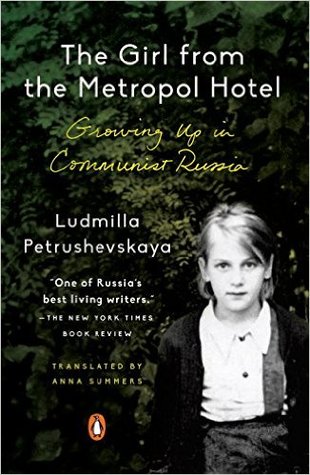
    • There once lived a woman who tried to kill her neighbor’s baby: Aludmilla Petrushevskaya
  • Rwanda
  • St. Kitts and Nevis
  • St. Lucia
  • St. Vincent and The Grenadines
  • Samoa
  • San Marino
  • Sao Tome and Principe
  • Saudi Arabia
  • Senegal
  • Serbia
    • Kosingas: Order of the Dragon: Aleksandar Tesic
  • Seychelles
  • Sierra Leone
  • Singapore
  • Slovakia
  • Slovenia
  • Solomon Islands
  • Somalia
    • Olondria: Sofia Samatar
  • South Africa
    • Lauren Beukes: Zoo City
  • South Korea
  • South Sudan
  • Spain
  • Sri Lanka
  • Sudan
  • Suriname
  • Swaziland
  • Sweden
    •  Lilla stjärna (Little Star): John Ajvide Lindqvist
    • Udda verklighet (Odd Reality):Nene Ormes
    • Vännerna (The Friends):Lars Jakobson
    • Let the Right One In: John Ajvide Lindqvist
  • Switzerland
    • Conspiracy of Calaspia: Guptara Twins
  • Syria
    • Breaking Knees: Zakaria Tamer
  • Taiwan
  • Tajikistan
  • Tanzania
  • Thailand
  • Timor-Leste
  • Togo
  • Tonga
  • Trinidad and Tobago
    • Bloodspell: amalie Howard
    • A wave in her hand: Lynn Joseph
  • Tunisia
  • Turkey
  • Turkmenistan
  • Tuvalu
  • Uganda
  • Ukraine
    • Vita Nostra: Sergey and Marina Dyachenko
    • The land of Stone Flowers: Sveta Dorosheva
    • The Stranger: Max fREI
    • Kaharlyk: Oleh Shynkarenko
  • United Arab Emirates
  • Uruguay
  • Uzbekistan
  • Vanuatu
  • Venezuela
  • Vietnam
  • Yemen
  • Zambia
  • Zimbabwe Yuri Herrera

Too Many Plot Points–too little words

#overwhelmed #excited #ihavenocluewhatimdoing

I’ve just finished round two edits of my MS, and I’ve decided to let it sit for a whole month before looking at its darling face again.

In the meantime, I’ll work on the sequel.

So today, the day I’ve finished two whole rounds of head-battering edits, I went to a sushi restaurant for lunch and sat down with notebook, pen, and a printout of 29 bullet points of if ideas I got while editing, all for the bloody sequel.

And let me tell you–there are ideas galore.

Which now leaves me feeling both excited and overwhelmed. I don’t think I get how authors can plot out their whole book and not drown in their own tears by thinking about all the plot points they want/need to hit.

As I was walking back to the office after lunch, stepping in rain puddles and feeling the cold rain seep in through my jacket and into my hair, all I could think was, wow! I have tons of ideas, I’m so happy, even though it’s so gloomy outside, but oh shit, how am I ever going to write this. I don’t even know where to begin. I’ll never get it done, it’ll be horrible, what am I to do, I’m not good enough.

Basically, all the negative self-defeating thoughts that arise pretty much every day that you’re writing.

So, while walking, I was also thinking, I’ve done it before, written whole novels, hell, whole series, so I can do it again. Sure, none of my books are published, but I’m working on that, and that’s what’s going to do it for me–the drive.

And I thought, the best way to approach this is to approach it in chunks–work on one chapter at time, with specific goals in mind, and not worry too much about everything else–they will all fall into place the way they were meant to. It’s how my writing has always been, and even though I have 29 plot points, my writing will fall into place just the same.

My writing lesson of the week: Approach plot points one/few at a time, and don’t concern yourself too much with the other plot points. Let your brain do its creative job and it’ll bring in all/most of your ideas, in the right timeframe that is best for your book.


My manuscript, well, sucks

Right now, I’m editing one of my newest books. And it’s horrible.

The work isn’t what’s horrible, it’s the writing that is. I feel like my work falls so short of my standards, or other readers’ standards, and others haven’t even read the book!

I also feel like I’m not a good writer and I’m deluding myself into thinking I could make it big as a fantasy author.

I’m also feeling like my writing will never improve and that the story will never be tightened enough to make it publishable and a bestseller.

I’m also thinking I’m going to need to burn the whole MS and never think of it again.

But, I’ve gone through this before, with other manuscripts I’ve written, and I always pushed through the work and the emotional insecurity.

As I  go through the process once more, I’m trying to remember in the back of my mind these key points:

  1. The fact I’m cringing as I’m editing tells me I’ve improved as both a writer and a reader–what I originally thought was good writing I no longer consider to be. That tells me that I’ve grown and am more aware of what makes for good writing vs bad writing.
  2. Every work needs to be edited. I’ve heard others say that a book is never written, its rewritten again and again. The book on bookstore shelves is most likely not a first draft, or even a fourth. It’s more likely a tenth. And even if your book demands more editing than some other books, as long as it becomes better and publishable, that’s the goal.
  3. My writing is typically considered creative even as the technicalities fall short. That is, my story is solid and creative, even if my writing needs work. I’d rather be in this position than be writing stale stories that don’t interest people. That’s less easily fixed than working on tightening your writing.
  4. I can always learn—my brain is plastic, which means it responds to the environment and my experiences, and can grow in its abilities. Therefore, I’m not stuck with horrible writing if I work at it–and work at it I will!

Confession: I’m a Culturally Monogamous Reader

Want to be a better writer? Then be a better reader.

There’s a blog post on how one lady “read the world in a year.” She’s a voracious reader, from what I understand, but she realized one day that she didn’t read much past her culture and country’s literature. Recognizing that this was an issue for her, and feeling stunted by her multicultural illiteracy, she set out to compile a list of books from UN-recognized countries (195, plus one more (Taiwan), and read one book from each country for an entire year. That’s 196 books–in one year. I’m a rabid reader, but I don’t think even I hit that target annually.

At any rate, she did it!, and graciously provided her hard-earned list for us to walk in her footsteps, or forge our own.

You can check out her TedTalk for a better look at how her idea was conceived, and how she set out to read the world in one year. She has interesting tidbits on how people from around the world helped her reach her goal; some strangers even mailed her packages of books! Imagine being touched by a stranger, across the world, whom you’ve never met, and may never meet, in such a generous way. I have goosebumps just thinking about it.

I’ve decided that I, too, want to expand my reading list. I don’t want to be a culturally monogamous reader–I want to not only experience culture by traveling to other nations, but I want to read their words, understand their minds, feel their characters. Language and storytelling is a major part of many cultures, and understanding another culture means drowning–not just immersing–yourself in the literature.

I’ve broken down the list, which contains far more than 196 books (she keeps adding to the list, and this was a 2012 project for her, so you can imagine how many several hundred books are on that list now), into months. I’m going to give myself 1.5 years, not one year, to read through the list.

Since my mother was born in Trinidad, and my father was born in Syria, I’m going to read those countries first. I traveled to Morocco, so I will read that country as well early on. I also plan on heading off to Peru sometime soon, so I’ll read books from there as well to begin with.

From there, I’m going to randomly choose countries and read the books from that country. Spices up things a bit for me than going straight down a list–I won’t know what country’s next, so it’ll up the excitement for me.

If I don’t read the books in 1.5 years, that’s fine, because this is more about experiencing a piece of a culture than competing with myself to read as many books as possible in a given time period.

January 2016:
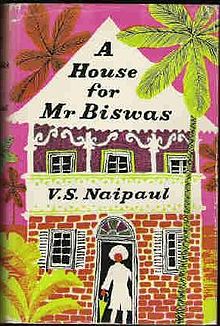
Trinidad & Tobago

HouseForMrBiswas

March 2018:
Russia


Close, so close…

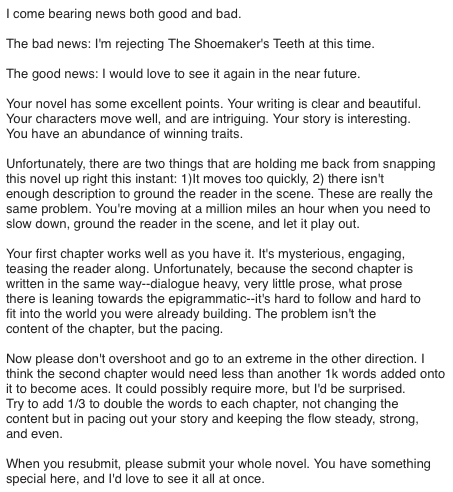
So I sent out my MS to a small publishing house, and…well, he rejected me.

BUT!

There’s a but!

But, there’s good news!

Here’s what he said:

Screen Shot 2015-12-23 at 10.41.52 AM


There’s hope yet for me!

I’m going to keep on trying, doing what he says he thinks will make my book better, and I’ll resubmit!

One step closer, that’s what I’m telling myself.