Revision is re-envisioning

There’s nothing akin to the agony of editing your book. This suffering goes beyond the whole “kill your darlings” because, at least for me, I’ll gladly kill my darlings if it means saving my book.

No, the agony for me is the one thousand and one revisions my book has to go through. I already did one revision, which was a sweep of the book, pulling out scenes and sentences, and adding new ones if I saw fit. It was more of a holistic approach, which I completed in a week.

However, the next two weeks are going to be me focusing on dun dun dun: setting. The setting that I apparently failed to convey when I wrote my first draft. The setting that I’m going to have to describe beautifully if I want my book to work. The setting that I’m not sure how to describe.

However, to keep sane I think the best approach I can take to my editing is to do a number of revisions, each time focusing on one aspect:

Revision 1: Holistic: Go through the book, reacquaint yourself with the details and the scenes, and try pulling out what doesn’t work. Gut your work. Kill your darlings, or if that’s too gory a thought for you, lay your darlings to rest in a beautiful silk-lined casket and set them out to sea. Focus on sentence structure, grammar, punctuation, so that when you move on to other revisions, you aren’t distracted by those sorts of things.

Gut your work

Revision 2: Setting: Weave the senses into your book. Don’t overdo it, but make your reader feel, with all their senses, your scenes. Focus more on adding in sound, sight, temperature, touch, color, tactile experiences, wetness, dryness, humidity, solidness, softness, dampness, harshness, anything that brings your world to life. Describe something as being chestnut-colored instead of brown. Describe the sound as tinkling instead of light and airy. Describe the feel of the cliff under her hands as she climbed it, instead of saying only that she grunted. Make the setting active, interacting with the characters, or having the characters interact with it. Don’t just have the setting be a backdrop that is barely noticeable. Bring out the life of your setting. View your setting as its own character, and I think you will do well.

View your setting as its own character

Revision 3: Focus on the emotions of your character. Now that you have the setting down, make sure your character responds to it. Your character’s setting should challenge them, interact with them, push them, reward them, punish them, twist them around and make them dizzy. Make your character a part of the setting, and make the setting a part of your character. Have your characters and their setting hold hands. Focus on events: how do your characters behave? Do they only react? They should do more than just react to events; they should create events, change events. Emotions fuel your character. Emotions and actions are your character. Your character is nothing without emotion, unless your character is all about not having emotions.

Have your characters and their setting hold hands.

Your character is nothing without emotion, unless your character is all about not having emotions.

Revision 4: Focus on plotholes. Are there any? Does everything make sense chronologically, assuming time works in your book as it does in our world. Is your plot fluid? Your plot should not only make sense, it should be interesting, have twists, and bewitch a reader.

Your plot should not only make sense, it should be interesting, have twists, and bewitch a reader.

Revision 5: World-recreation. Make sure your world fits in with your setting, and that everything is interactive. You could probably do this during the setting revision, but it should be its own focus at some point. Is your world a sprawling expanse, or s single room in a lonely house? Either way, make sure that your world is interesting for both your characters and your readers. Interesting doesn’t have to mean unique or out-of-this-world. It could be boring, really, in the sense that you character is bored by their world. Regardless, make your world alive for your readers and interactive with them. Your world should be a reflection of your characters’ behaviors. That is, your world should not be separate from your characters, but a part of their feelings and actions.

Your world should be a reflection of your characters’ behaviors.

Revision 6: Be a seamstress. Bring all the pieces together. Do another holistic revision. Do all the pieces fit together? Have you woven your strands with golden thread? If not, it’s back to step 2.

Revision 7: Let it sit. I think letting go of your story, even if only for a few weeks, is a revision in and of itself. By letting it sit, and moving on to something else to clear your mind, you’re letting your brain distance itself from the details so that when you come back to your story, you can look at it with fresh eyes and from a big-picture perspective.

Let it sit.

Revision 8: Read through your book, and holistically attend to all those previous steps mentioned. It’s holistic in a way you haven’t done before, even in step 6. This time, you’ve spent time away from your MS and can focus on the bigger picture and the general themes of your story, your characters, setting, and everything else you should have already attend to, but can now do with fresh eyes and mind. Give your book one more holistic revision, and focus on the big picture. Remember that revision is re-envisioning.

Remember that revision is re-envisioning.

*Note: This article was originally published on January 19, 2016.

**Header image courtesy of Google images.

Hakawati Jinn – Chapter Four

NEW BOOK ALERT!

I’m working on a new book and want YOUR feedback! Each week, I’ll post a new chapter, and want you to provide your thoughts, opinions, feeling, and feedback on the chapter.

Be brutally honest.

I pace my one-room house, waiting for my daughter to return. But she doesn’t.

“Saqr,” I say, awakening the hawk once more. It returned to clay as soon as it told me what it saw, and I brought it back with a touch. “Go find Layala.”

The hawk leaves, and I continue my pacing. Do I walk to the next village? Leave the hut and search for my child? Or do I let her be, and trust she will make good decisions. 

Didn’t you make horrible, stupid decisions when you were just a bit older than her? 

Saqr returns and I lay a hand on him. The images come in snatches, as if he darted around, looking for a better vantage point. 

So, Layala spent the night at the jinn’s house. She’s asleep, her cloak draped over her clothed body, the fire burning bright. The jinn sits in his chair, watching her, stoking the flames every so often to get it from burning too low. 

Saqr picks up a stick and flings it at the window, then hides from view. He perches on a tree branch, looking into the house. Layala stirs, then notices the morning light shining through thre window. 

I can’t hear what she says, but I see her lips move through the window. Her eyes are wide and she’s shaking off the jinn’s grasp on her arm. 

I think I see her mouth ‘I have to go.’

I’m sitting at my table, drinking pomegranate, when she comes in through the door. 

“I was worried all night,” I tell her, my voice calm, even though I noticed a little shakiness to it. I pull up a chair and pat it, inviting her to sit. 

She remains on her feet. “I fell asleep at jido’s,” she lies, not meeting my gaze. 

“I see. Did you eat yet?”

She shakes her head, now picking at the edge of our small wooden table. “I’m going to rest,” she says.

“I thought you slept at your grandfather’s?” I put a hand to her head, feeling for fever. “Are you unwell?” I say. 

“No, just tired,” she says, and her cheeks flush red. I let her go; best to not press her and have her shut herself off from me. No, let her come to me with her heart’s secrets. 

Layala undresses and slips into bed, her back towards me. I bend over her, tucking the covers under her chin and around her slender body, just as I did when she was much younger. 

“I love you, maman,” she says. “I’ll never do anything to hurt you.”

I’m surprised by this, but only kiss her soft cheek, still round with baby fat yet to shed. “I know, hiyati.” 

I stoke the fire to make sure she’s warm, then slip out into the night. The air is cold, and I wrap my simple cloak tight around me. I long for the feel of the earth under me, for Illyas’ smile, for his reassuring words. 

I make a snap decision and steal back into the house, grabbing jars and water, before padding towards the cemetery. 

Illyas finds me, as usual. 

“Hiyati,” he says, “What’s wrong?” HIs brows are furrowed as he tries to draw me close, but our bodies aren’t flesh enough for that. Instead, he has me sit down on the pale ground, made of tiles cracked and cool, flowers and weeds growing through the cracks. 

“She’s in love with a jinn boy,” I say. 

“Who? Layala?”

I nod. “I saw them, through Saqr. She spent the night with the boy.”

Illyas tenses. 

“She kept her clothes,” I say quickly, but it does little to ease the tension rippling through his body. “But still. She lied to me.”

“Who’s the boy?” Illyas said, his voice gruffer than I’ve heard it in a while. 

“I don’t know. But I’ll find out.”

Illyas gives a sharp nod, his brows furrowing deeper over his nose bridge. “I’ll wring his neck if he does anything to hurt her.”

I snort. “You and me both, hiyati. The last thing I’d want is for her to fall pregnant at barely fifteen.”

Both our faces flush; our second-greatest mistake, and greatest joy, has been Layala. Born to young parents who knew nothing of the world, never mind raising a child, Layala tore out of me, bright red screaming, on a night just shy of my sixteenth birthday. Illyas was just three years older, and fainted at all the blood. I remember cleaning my daughter’s face of my insides, while fanning my lover with a slip of paper to wake him. 

Illyas reaches over to hover his lips over mine, and for a moment, I feel nothing but his warmth. Then it is snatched away, and lightning strikes through my body. 

Something is pulling my soul back into my body. 

I gulp in air and flick my eyes open, to find my daughter standing before me. Her face is twisted in anger, and she’s standing with her hands on her hips. 

“Maman,” she says, and it sounds like she’s accusing me of something. “What are you doing?”

I sniff, get to my feet, dusting dirt off me. “I needed some fresh air,” I say. “I guess I fell asleep.”

She narrows her eyes at me, as if not quite believing what I say. “I woke up and you weren’t there,” she accuses. 

“Well,” I say, reaching my hand out so she can help me up. I grunt, heaving my weight forward as my knees crack. “Long day, I suppose. Help your maman to bed, then,” I add, leaning some of my weight on her strong, young body. 

Back in the house, I set a kettle to boil, not tired enough to sleep. Layala sits beside me, legs curled under her. She picks at her nails, a habit she has only when something is on her mind. 

“What is it, kushtbani?” I use her father’s nickname for her: thimble. She was so tiny when she was born, she could fit into the palm of his hand if curled up. 

“Nothing, maman,” she says with a sigh. “I just- I want to tell you something, but not now.”

She looks at me with her wide, dark eyes, eyelashes fringing them like tassels on a curtain. “Tell me when you’re ready, kushtbani. I can wait.”

She smiles, and my heart aches at her beauty. She doesn’t see it yet, but under those baby cheeks are a grown woman’s bones. 

She pushes back her chair and pads over to her cot, and though she is just feet away from me, I’ve never felt farther from my child. There are too many lies between us, and I must do something about it. 

Morning comes angry, with rain pelting the window, and the wind howling through the trees. 

I dash outside, grabbing at as many seeds as I can. Layala helps, grabbing handfuls of pomegranate and dirt and grass, while shoving them into the basket. We run back inside, laughing at the downpour as we peel off our sodden clothing. 

“I’ll get the fire going, maman,” she says. 

I sit down and sift through the seeds, setting aside the clumps of grass Layala grabbed. I juice the seeds, taking a sip to taste the mood. A sense of sadness washes over me, and I hold back the need to cry. 

“Is everything fine, maman?”

I nod, reaching for a lemon. 

“Ah,” Layl says, “It’s sad seeds.”

“Very,” I say, squeezing the lemon into the juice and stirring. The sourness of the lemon masks the sadness of the souls, enough that I can drink without crying. 

The stories shove around me in my mind, snatches of sound, morsels of flavor. I get the whiff of warm cinnamon, the taste of cardamom in rice. The feel of a baby’s skin, the weight of a warm fur around a neck on a cold winter day. 

The stories clamor for my attention, each one trying to be the next that gets written. Souls can be impatient, eager to move on. Eager to have their tale written to pay Mote with. 

I try my best, feeling the ache in my bones growing and the din in my head rising. A headache is coming on.

I sense Layala near me, then feel the press of a cloth to my nose. I must be bleeding again, the strain of storytelling too much. 

“Maman,” she says, her voice sounding far away. “Take a break. The dead can wait.”

“No rest for the dead,” I say, not aware of what I’m saying. “No rest for the weary.”

A story floats toward me. I feel its incessant nagging, a whining sound that grows in my ears like the church bell on a sunday morning. 

A young man spent his days drinking and casting his lot at the gambling tables. Every morning he would stumble home, and his poor father would help him to bed. The son would have vomit encrusted in his clothes, and his hair would be covered in sweat and dirt. 

Fed up with his son, the father tells him one day, ibnay, my son, how about you spend just this one night without getting sakran. Spend one night without drink. 

The son laughs, then says to his father, baba, for you, I will do as you say. Just this one night. 

The father says, come, take me to the place you like the most for drink. We will watch and I will show you what I see. 

The two go to the son’s favorite tavern and walk inside. Men sit in chairs, slumped over from drink, or arguing with each other in slurred words. 

The son glances around and spots his friends, but he keeps to the shadows, watching them instead. 

See? says the father. This is what I see when you are sakran: a foolish man who can’t even string two sensible words together and who stumbles around like a babe just learning to walk. 

The son and father stay another hour, when the drunken men begin fighting over quibbles, or vomiting over each other. The son is disgusted and turns his face away from the tavern. 

Baba, he says, you are right. I will mend my ways immediately.

But his father is not so easily placated. Ibnay, he says, do one more thing for me. Go, go find the King of Gamblers, and see how he lives. 

The son grins, and seeks out this King. He searches through villages and towns, asking for where the King of Gamblers resides. 

The first old man who knows tells him to seek a shaman in the village over. He will know where the king is. 

The son goes to the shaman who tells him to seek an old goat-herd who dwells in the valley. The son finds the goat-herd who tells him to find the medicine woman who lives in the forest.

The son finds the medicine woman who tells him, ah, ibnay, I know the one you seek. He is my brother, and he lives just up that mountain. She points at the mountain in the distance. “Climb the mountain, and there you will find the King of Gamblers.”

The son spends days reaching the mountain. And more days climbing it. He stops at the first person he sees. 

It is an old man, with skin like leather, and teeth stained with tobacco. 

I want to meet the King of Gamblers, the son says. 

The man looks at him and invites him into the simple tent he lives in. The son enters, finding a threadbare carpet laid on the ground, and a rolled up mat in the corner. There is no food but a bit of bread with green mold, and nothing to drink but a pot of tea. 

The old man offers his food and drink but the son refuses and offers his own food instead. 

The man tears greedily into the dried meats and figs the son has with him, then leans back to watch the son. 

Ibnay, he says, why do you seek the King of Gamblers?

My father, he told me to search for him. 

Ah, the old man says. Well, you have found him.

The son flicks his eyes around him. The palace is expected is but a tattered tent. The riches, the women, the feasts he sought were all like air. 

Now I know why my father told me to find you, the son, says. For the King of Gamblers is no king at all. 

I write the story and as the last word is set, the soul snatches its tale and I am left with just the sour taste of the lemons. 

I turn to my daughter and just as I do, there is an angry knock at the door. 

“Get behind me,” I tell her, as I slip out of my chair and grab a wooden spoon from the table. 

The knocks are angrier, and so are the voices behind the door. 

“Open, hakawati!”

“Layl, go through the back,” I say. 

“No, Maman.”

This is no time for defiance, but I don’t have a chance to say anything because the door is kicked in and three men enter. 

“Hakawati,” the first man says. “We’ve come for you and that illborne child of yours.”

My beta reader likes my first draft!

I am so happy! A wonderful beta reader I’ve hired before has always had a lot of (very useful) critiques about my manuscripts in the past. But since I started a new book, I decided to send her the first 25 chapters of my manuscript.

And she had wonderful news about it! This came in perfect timing because I’ve been feeling down about my book all week, and last night, ripped out the last 12 chapters I wrote.

But her words are motivating me to take back up the keyboard and type on!

Here you go! I am beyond impressed by this piece! You’ve improved so much, it’s like a different writer! (Your last work was good, don’t get me wrong, but this is on a whole other level.) If I were an agent and saw these first pages, you better believe I’d want more. It’s so clean, too. I am just raving about this. Up until the final two chapters, I had almost no complaints. Keep up the good work!

Make no mistake, she gave me TONS to work on, so I have my work cut out for me. But her words are so uplifting, especially as I usually hire a beta after I’ve completed a manuscript. This time, I decided to hire midway so I don’t waste time doing the wrong thing for 50+ chapters and 300+ pages. I’m so glad I did.

I wrote a book!

(but it’s not published…yet!)

Mistlyn is published in full on Wattpad.com and I’ve entered it into Wattys 2019 awards!

The only way thirteen-year-old Mistlyn can bring her dead village back to life is by going with a conniving Jinn to the world of the dead, the Realm of Mote.

The only survivors of their burned village, Mistlyn and her best friend, Sahria, are captured and held prisoner by the Lizsard People. Sahria is forced to be a court dancer, while Mistlyn has been forced to sit on two eggs that are said to contain the life force of the seven races of earth. But once the eggs hatch and another three days have passed, Mistlyn will no longer be needed by the Lizsard King.

Before anything further can happen to her, Mistlyn is convinced to leave with the Jinn who promises to help her escape and bring her family back to life – if she does a favor for him. But the Jinn isn’t the one Mistlyn has to worry about…

Check it out, like, comment, and share! ❤

Reading World Fantasy Books

In case you haven’t heard, in 2012, Ann Morgan read the world in a year. She compiled a list of all the countries of the world, and chose a book from each country to read, expanding her literary prowess.

I wrote a post regarding her excursions, and my own decision to follow in her steps.

Now, I’m here to forge a new path, by reading fantasy novels from around the world. I plan to do what Ms. Morgan did, but focus on fantasy stories, rather than any other literature. Since I am a fantasy writer, this makes sense.

I am skipping the US and UK, since I’ve already read fantasy books from those countries, and no fantasy books have come out from Vatican City, as far as I know.

Update: It’s been difficult finding fantasy books from some countries, so I am expanding my search to science fiction and horror.

  •  Afghanistan
  • Albania
  • Algeria
    • Invaders of Dreams: Djamel Jiji
  • Andorra
  • Angola
  • Antigua and Barbuda
    • Redemption in Indigo: Karen Lord
  • Argentina
    • Kalpa Imperial: The Greatest Empire That Never Was: Angélica Gorodischer
  • Armenia
    • Ani Hovhannesyan (Anina): Bureaucrat
  • Australia
  • Austria
  • Azerbaijan
  • Bahamas
    • Infestation: Tanya R. Taylor
  • Bahrain
    • QuixotiQ: Ali al Saeed
    • Dragon Tooth: M. G. Darwish
  • Bangladesh
  • Barbados
    • Redemption in Indigo: Karen Lord
  • Belarus
  • Belgium
    • La Guerre du Feu: J.H. Rosny
    • The House of Oracles and Other Stories: Thomas Owen
  • Belize
  • Benin
  • Bhutan
  • Bolivia
  • Bosnia and Herzegovina
  • Botswana
  • Brazil
  • Brunei
  • Bulgaria
  • Burkina Faso
  • Burundi
  • Cabo Verde
  • Cambodia
  • Cameroon
  • Canada
    • Eileen Kernaghan: The Alchemist’s Daughter
    • Clem Martini: Feather and Bone: The Crow Chronicles
  • Central African Republic
  • Chad
  • Chile
    • Ygdrasil: Jorge Baradit
  • China
  • Colombia
  • Comoros
  • Congo, Democratic Republic of the
    • Everfair: Nisi Shaw
  • Costa Rica
  • Cote d’Ivoire
  • Croatia
  • Cuba
    • The Island of Eternal Love: Daína Chaviano
  • Cyprus
  • Czech Republic
    • Labyrint (Labyrinth): Pavel Renčín:
    • Aberrant: Marek Sindelka
  • Denmark
    • Alex Uth: Marskens konge
  • Djibouti
  • Dominican Republic
  • Ecuador
  • Egypt
    • El3osba: John Maher, Maged Refaat, and Ahmen Raafat
  • El Salvador
  • Equatorial Guinea
  • Eritrea
  • Estonia
  • Ethiopia
    • Who Fears Death: Nnedi Okorafor
  • Fiji
    • The Fantasy Eaters: Stories From Fiji: Subramani
  • Finland
    • En tunne sinua vierelläni (I Don’t Feel You Beside Me):Tiina Raevaara
    •  Unenpäästäjä Florian (Dream Releaser Florian): Jani Saxell
    • The Core of the Sun: Johanna Sinisalo
  • France
  • Gabon
  • Gambia
  • Georgia
  • Germany
  • Ghana
    • Tail of the Blue Bird: Nii Ayikwei Parkes
  • Greece
    • The Odyssey: Homer
  • Grenada
  • Guatemala
  • Guinea
  • Guinea-Bissau
  • Guyana
  • Haiti
  • Honduras
  • Hungary
  • Iceland
  • India
  • Indonesia
  • Iran
    • The Wrath and the Dawn: Renee Ahdieh
  • Iraq
    • Ahmed Saadawi, Frankenstein in Baghdad
  • Ireland
    • Skulduggery Pleasant: Derek Landy
    • Tokyo Gothic: David Conway
  • Israel
    • Sequoia Children:Gon Ben-Ari
    • Nuntia (Frost): Shimon Adaf
    • Central Station: Lavie Tidhar
  • Italy
    • Scarlett: Barbara Baraldi
    • Black Flag: Valerio Evangelisti
    • Forget me, Find me, Dream me: Andrea Viscusi
  • Jamaica
  • Japan
    • Spice and Wolf : Isuna Hasekura
    • Dragon Sword and Wind Child: Noriko Ogiwara
    • Hard-Boiled Wonderland and the End of the World: Haruki Murakami
  • Jordan
  • Kazakhstan
  • Kenya
    • Wizard of the Crow: Ngugi Wa Thiong’o
  • Kosovo
  • Kuwait
  • Kyrgyzstan
  • Laos
  • Latvia
  • Lebanon
  • Lesotho
  • Liberia
  • Libya
  • Lithuania
  • Luxembourg
  • Macedonia
  • Madagascar
  • Malawi
  • Malaysia
  • Maldives
  • Mali
  • Malta
  • Marshall Islands
  • Mauritania
  • Mauritius
  • Mexico
  • Micronesia
  • Moldova
  • Monaco
  • Mongolia
  • Montenegro
  • Morocco
    • Mirage: Somaiya Daud
  • Mozambique
  • Myanmar (Burma)
  • Namibia
  • Nauru
  • Nepal
  • Netherlands
  • New Zealand
    • The Dragonslayer’s Apprentice: David Calder
  • Nicaragua
  • Niger
  • Nigeria
    • The Famished Road: Ben Okri
    • My Life in the Bush of Ghosts: Amos Tutola
    • Akata Witch: Nnedi Okorafor
    • Rosewater: Tade Thompson
    • Lagoon: Nnedi Okorafor
  • North Korea
  • Norway
  • Oman
  • Pakistan
  • Palau
  • Palestine
  • Panama
  • Papua New Guinea
  • Paraguay
  • Peru
  • Philippines
    • Patron Saints of Nothing: Randy Ribay
  • Poland
    • Wit Szostak: Chocholy (The Chochols)
    • The Witcher
  • Portugal
  • Puerto Rico
    • United States of Banana: Giannina Braschi
    • Dealing in Dreams: Lilliam Rivera
  • Qatar
  • Romania
  • Russia
    • The Scar: Marina and Sergey Dyachenko T
    • Mariam Petrosyan: Dom, v kotorom… (The House Where…)
    • Simbionty (The Symbionts): Oleg Divov
    • S.S.S.M. (The Happiest Country in the World): Maria Chepurina
    • Padeniye Sofii (The Fall of Sophia): Yelena Hayetskaya
    • Day of the Oprichnik: Vladimir Sorokin
    • Shadow Prowler: Alexey Pehov
    • There once lived a woman who tried to kill her neighbor’s baby: Aludmilla Petrushevskaya
  • Rwanda
  • St. Kitts and Nevis
  • St. Lucia
  • St. Vincent and The Grenadines
  • Samoa
  • San Marino
  • Sao Tome and Principe
  • Saudi Arabia
  • Senegal
  • Serbia
    • Kosingas: Order of the Dragon: Aleksandar Tesic
  • Seychelles
  • Sierra Leone
  • Singapore
  • Slovakia
  • Slovenia
  • Solomon Islands
  • Somalia
    • Olondria: Sofia Samatar
  • South Africa
    • Lauren Beukes: Zoo City
  • South Korea
  • South Sudan
  • Spain
  • Sri Lanka
  • Sudan
  • Suriname
  • Swaziland
  • Sweden
    •  Lilla stjärna (Little Star): John Ajvide Lindqvist
    • Udda verklighet (Odd Reality):Nene Ormes
    • Vännerna (The Friends):Lars Jakobson
    • Let the Right One In: John Ajvide Lindqvist
  • Switzerland
    • Conspiracy of Calaspia: Guptara Twins
  • Syria
    • Breaking Knees: Zakaria Tamer
  • Taiwan
  • Tajikistan
  • Tanzania
  • Thailand
  • Timor-Leste
  • Togo
  • Tonga
  • Trinidad and Tobago
    • Bloodspell: amalie Howard
    • A wave in her hand: Lynn Joseph
  • Tunisia
  • Turkey
  • Turkmenistan
  • Tuvalu
  • Uganda
  • Ukraine
    • Vita Nostra: Sergey and Marina Dyachenko
    • The land of Stone Flowers: Sveta Dorosheva
    • The Stranger: Max fREI
    • Kaharlyk: Oleh Shynkarenko
  • United Arab Emirates
  • Uruguay
  • Uzbekistan
  • Vanuatu
  • Venezuela
  • Vietnam
  • Yemen
  • Zambia
  • Zimbabwe Yuri Herrera

My manuscript, well, sucks

Right now, I’m editing one of my newest books. And it’s horrible.

The work isn’t what’s horrible, it’s the writing that is. I feel like my work falls so short of my standards, or other readers’ standards, and others haven’t even read the book!

I also feel like I’m not a good writer and I’m deluding myself into thinking I could make it big as a fantasy author.

I’m also feeling like my writing will never improve and that the story will never be tightened enough to make it publishable and a bestseller.

I’m also thinking I’m going to need to burn the whole MS and never think of it again.

But, I’ve gone through this before, with other manuscripts I’ve written, and I always pushed through the work and the emotional insecurity.

As I  go through the process once more, I’m trying to remember in the back of my mind these key points:

  1. The fact I’m cringing as I’m editing tells me I’ve improved as both a writer and a reader–what I originally thought was good writing I no longer consider to be. That tells me that I’ve grown and am more aware of what makes for good writing vs bad writing.
  2. Every work needs to be edited. I’ve heard others say that a book is never written, its rewritten again and again. The book on bookstore shelves is most likely not a first draft, or even a fourth. It’s more likely a tenth. And even if your book demands more editing than some other books, as long as it becomes better and publishable, that’s the goal.
  3. My writing is typically considered creative even as the technicalities fall short. That is, my story is solid and creative, even if my writing needs work. I’d rather be in this position than be writing stale stories that don’t interest people. That’s less easily fixed than working on tightening your writing.
  4. I can always learn—my brain is plastic, which means it responds to the environment and my experiences, and can grow in its abilities. Therefore, I’m not stuck with horrible writing if I work at it–and work at it I will!

Confession: I’m a Culturally Monogamous Reader

Want to be a better writer? Then be a better reader.

There’s a blog post on how one lady “read the world in a year.” She’s a voracious reader, from what I understand, but she realized one day that she didn’t read much past her culture and country’s literature. Recognizing that this was an issue for her, and feeling stunted by her multicultural illiteracy, she set out to compile a list of books from UN-recognized countries (195, plus one more (Taiwan), and read one book from each country for an entire year. That’s 196 books–in one year. I’m a rabid reader, but I don’t think even I hit that target annually.

At any rate, she did it!, and graciously provided her hard-earned list for us to walk in her footsteps, or forge our own.

You can check out her TedTalk for a better look at how her idea was conceived, and how she set out to read the world in one year. She has interesting tidbits on how people from around the world helped her reach her goal; some strangers even mailed her packages of books! Imagine being touched by a stranger, across the world, whom you’ve never met, and may never meet, in such a generous way. I have goosebumps just thinking about it.

I’ve decided that I, too, want to expand my reading list. I don’t want to be a culturally monogamous reader–I want to not only experience culture by traveling to other nations, but I want to read their words, understand their minds, feel their characters. Language and storytelling is a major part of many cultures, and understanding another culture means drowning–not just immersing–yourself in the literature.

I’ve broken down the list, which contains far more than 196 books (she keeps adding to the list, and this was a 2012 project for her, so you can imagine how many several hundred books are on that list now), into months. I’m going to give myself 1.5 years, not one year, to read through the list.

Since my mother was born in Trinidad, and my father was born in Syria, I’m going to read those countries first. I traveled to Morocco, so I will read that country as well early on. I also plan on heading off to Peru sometime soon, so I’ll read books from there as well to begin with.

From there, I’m going to randomly choose countries and read the books from that country. Spices up things a bit for me than going straight down a list–I won’t know what country’s next, so it’ll up the excitement for me.

If I don’t read the books in 1.5 years, that’s fine, because this is more about experiencing a piece of a culture than competing with myself to read as many books as possible in a given time period.

January 2016:
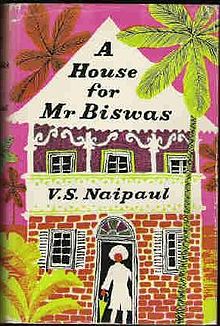
Trinidad & Tobago

HouseForMrBiswas

March 2018:
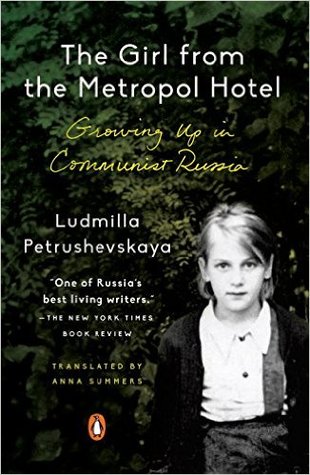
Russia