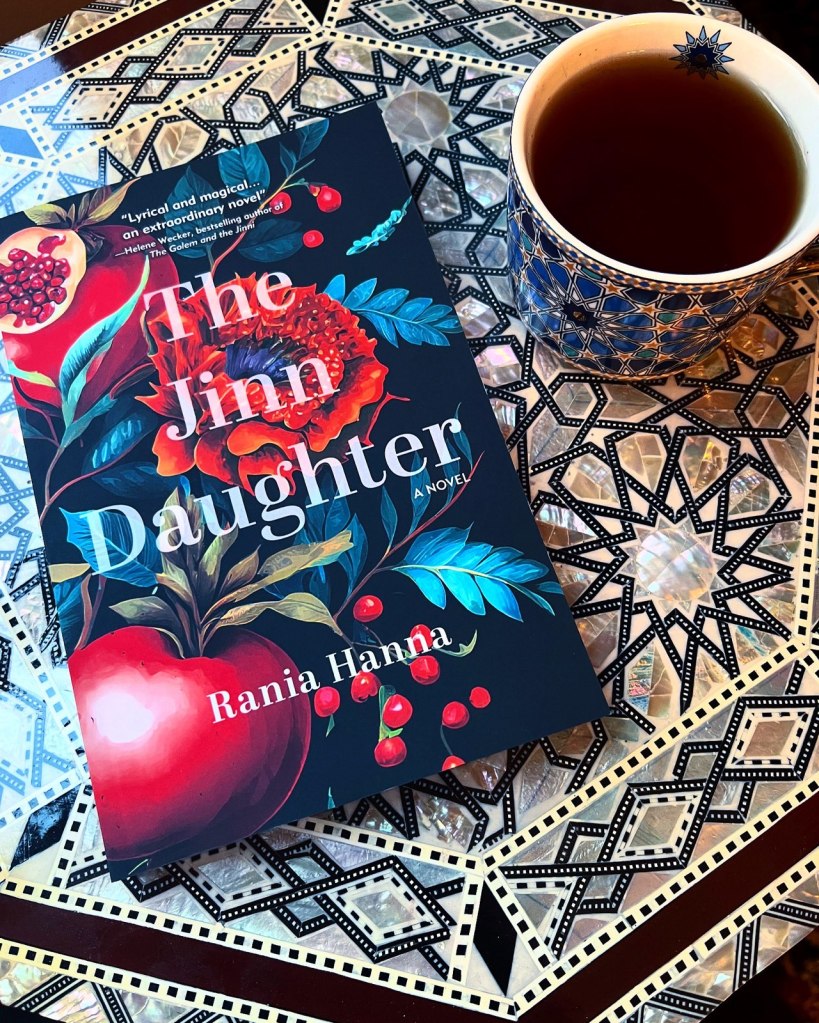
The Jinn Daughter has been receiving attention!

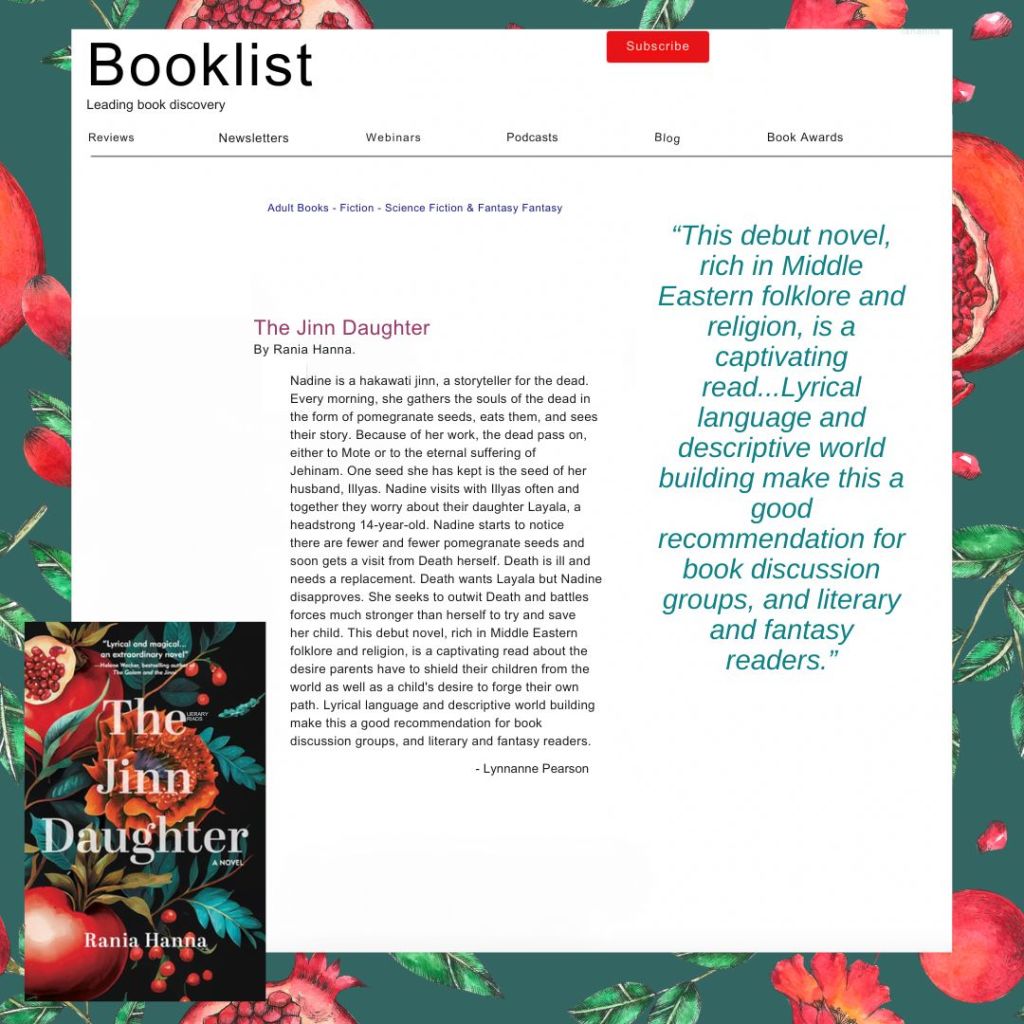
The Jinn Daughter has been positively received by critics and readers alike the last few weeks since its release, in paperback, hardcover, and ebook formats.

Here’s what reviewers have been saying:

  • Elle Magazine: Best Fantasy of 2024, so far
  • BookRiot: 10 exciting books to read this summer
  • DC Trending: Best new books of summer 2024
  • Literary Liberation podcast: Read this if you need a mother’s love
  • Arab News: A hauntingly inimitable debut
  • The New Arab: “The fairytale-like and bizarre scenes elevate the story’s mystique and are reminiscent of a mature and Middle Eastern Grim[m] Brothers tale”
  • Starry mag: “Just know that tissues will be needed”

7 Books that influenced my current writing voice

I’ve already mentioned how I am loving atmospheric books. And some posts mention specific books that influenced my current writing voice.

In thinking about what makes a book stick around in my mind and convince me to convince others to read it, it’s typically the author voice. The author voice and using the setting as a character.

Some books do that with such near-perfection, it’s hard to let go of the story and the characters. And those are the books that impact my own author voice, for the better.

Here’s a list of 7 books that have influenced my writing in terms of voice and tone, and have taught me how use the setting as a major character, the plot as a dreamy wonderland, and the characters as beautiful creatures that are so flawed, they’re perfect.

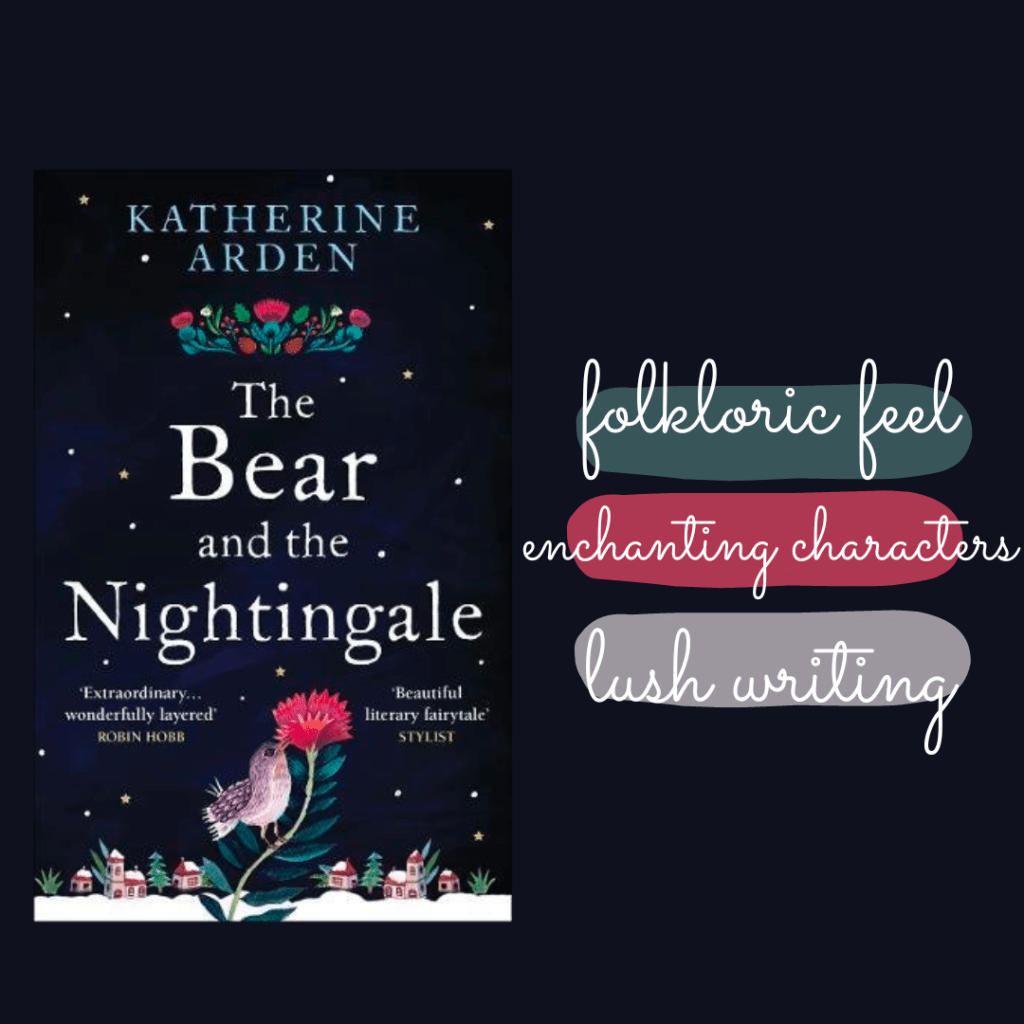
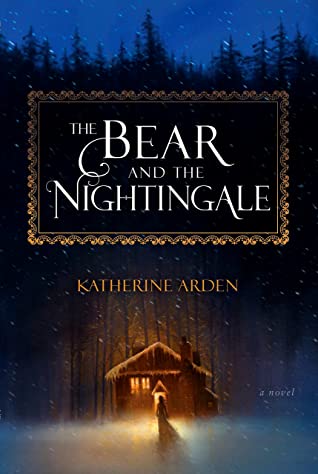
The Bear and the Nightingale by Katherine Arden

The wintry setting in Russia’s woodlands, and the glittering cities in the Kremlin bring this book to life in ways I wouldn’t have expected. And with the wild and eerily magical Vasya, who is such a perfectly flawed character it’s hard to feel anything but riveted by her, The Bear and the Nightingale not only brought a touch of atmosphere to my own writing, but also opened up a new love affair with Russian folklore.

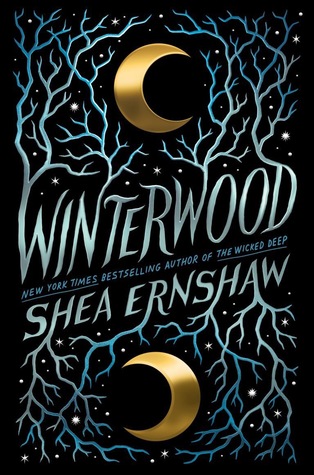
Winterwood by Shea Ernshaw

The woodsy setting and the moonlight magic had such an earthy and ancient, yet fresh feel to it that I couldn’t help but be drawn in. And though I thought the story was a typical people-fear-young-witch story, the setting and the magic itself brought a fresh air to the plot. Nora Walker’s magic wasn’t anything extraordinary, but her lineage, the recipes and pages of the Walker witch family magic book, and the feel made this story memorable. It also reminds me that setting is a character, and could be the most important one. Keep that in mind when you’re writing your own book! Read my full review here.

The Bone Houses by Emily Lloyd-Jones

Again, the earthy, woodsy setting was its own character, and it brought a mystical and tactile feel to the whole narrative. And that bone goat – a good reminder that even a sidekick can bring a new twist to your story. The magic was beautiful – dark and necromantic, but with a human and reverent feel to it.

Read my full review here.

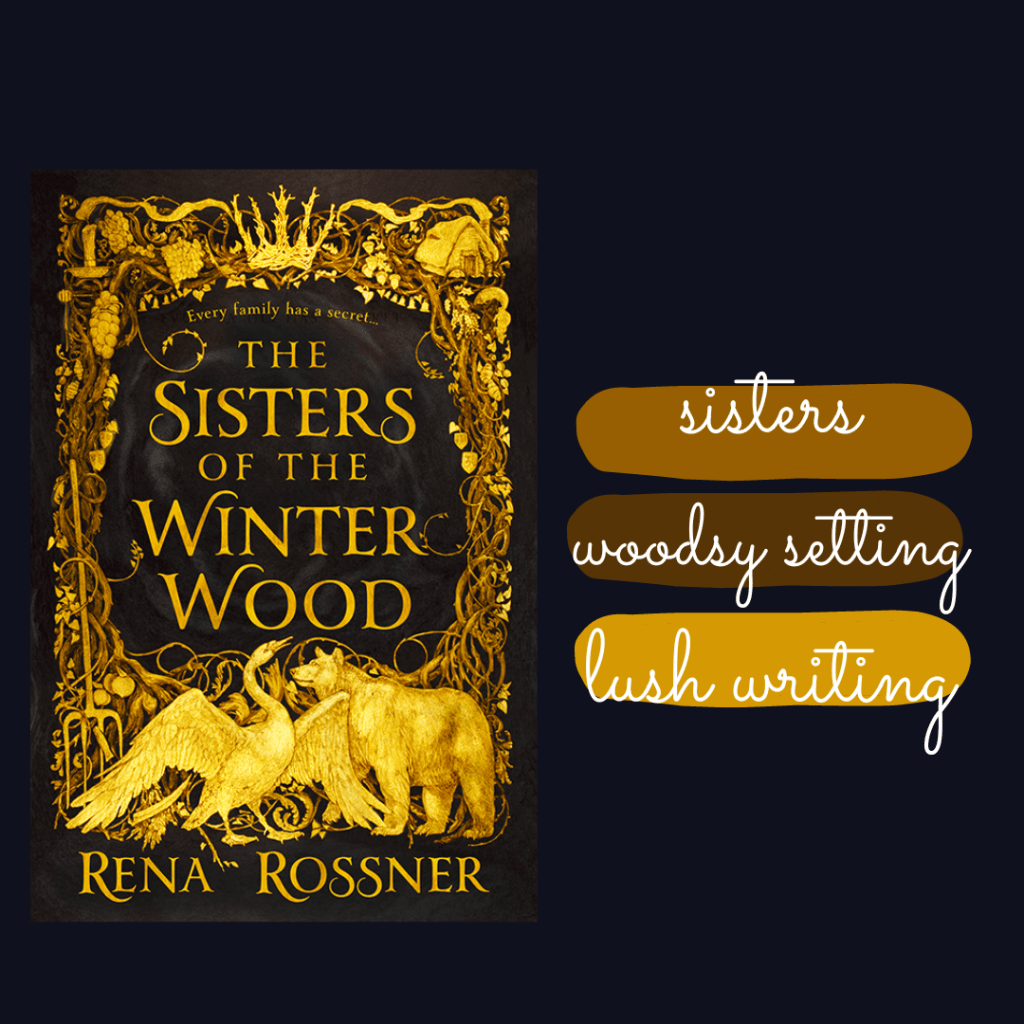
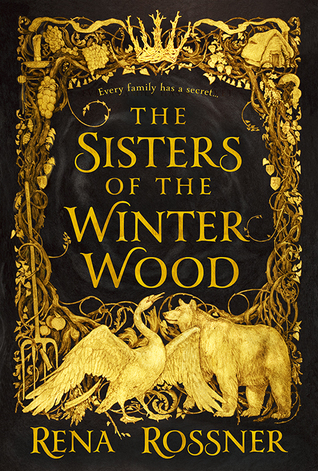
The Sisters of the Winter Wood by Rena Rossner

Again, those woods. earthy and ancient, the setting, once again, was its own character. And the sisterly bond made the story that much more human and heartfelt. The magic was old and raw, and though I don’t remember full details months after reading the book, I remember the feel.

A great book to learn how to bring in the folklore and mysticism of an existing culture, and making it your own.

Whichwood by Tahereh Mafi

Here’s how you take something dark, necromancy, and make it beautiful and magical. The setting here is not so much its own character as the townspeople are. The magic is the main focus, and, most importantly, character feelings are the plot-driver. The necromancy is such a beautiful take on the typical dark feel that magical system has, and it brought such color and light to the world that the unexpectedness of it all made me crave more. A good reminder that how characters feel is just as important, if not more, than what they do. This is a strong character-driven book and a great example of plush writing. Read my full review here.

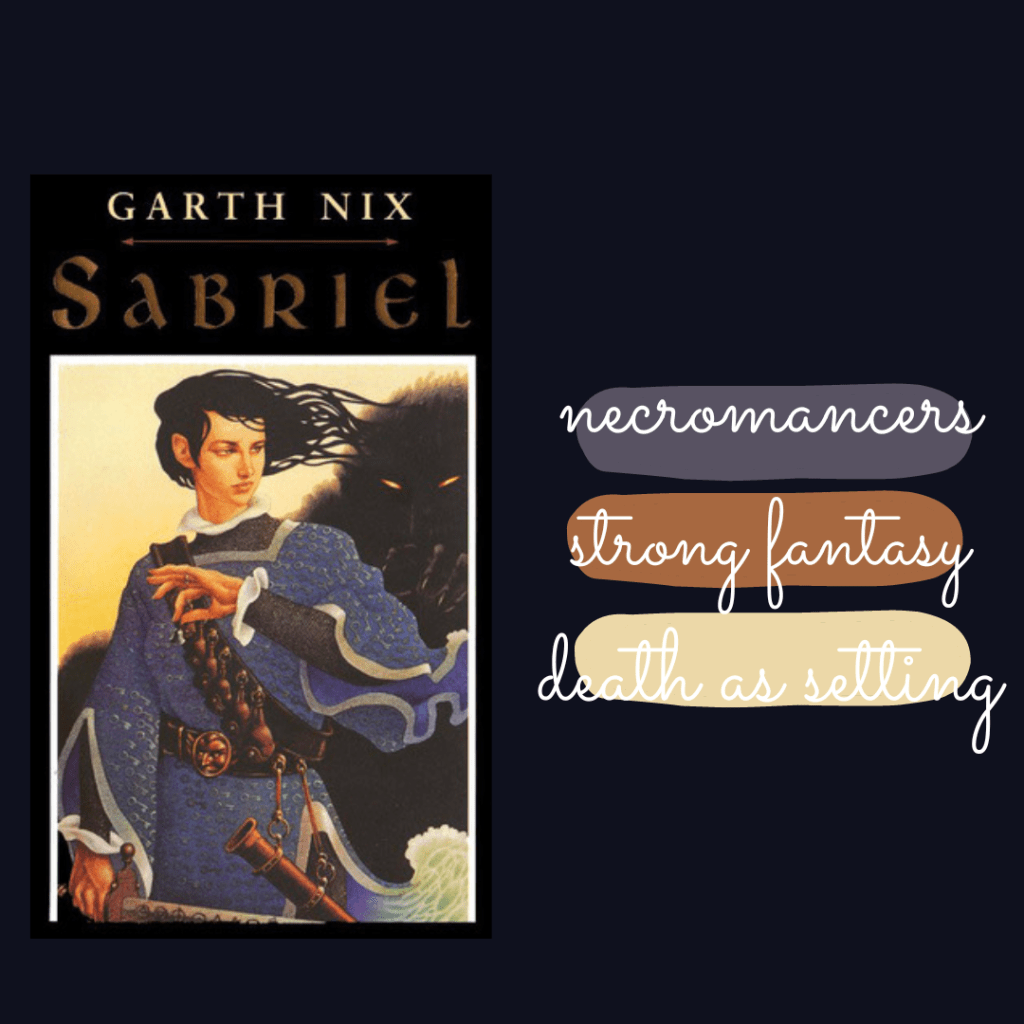
Sabriel by Garth Nix

This is how you build a world so big and powerful, you can get lost in it for ages. Sabriel has such a strong magical system that it influenced all my books since reading it. Almost every fantasy book I have written for the past ten years has featured dark magic, necromancy, and a reserved yet caring female protagonist. I can’t imagine writing a story that doesn’t have those elements in it, simply because Sabriel influenced me that much as a reader and writer. The main trilogy is worth it, and are the subsequent books in the Old Kingdom series.

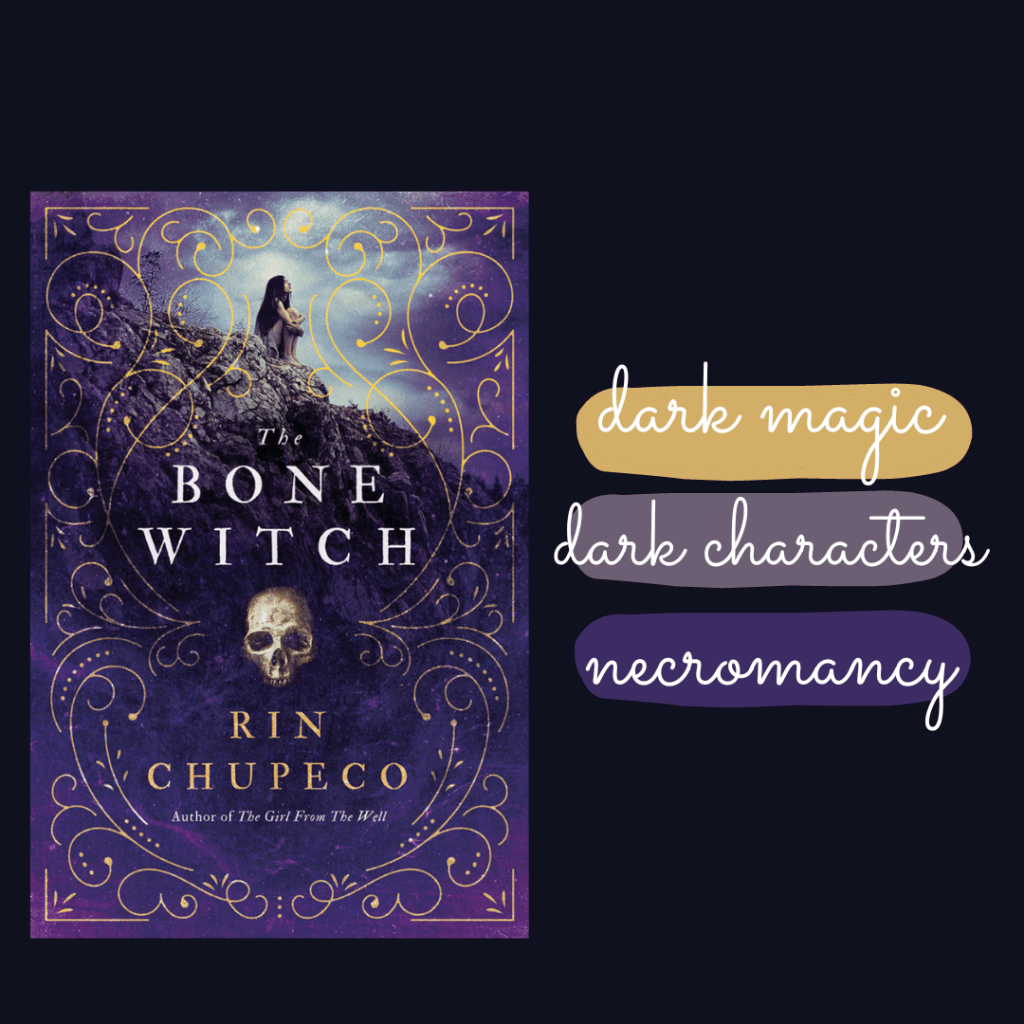
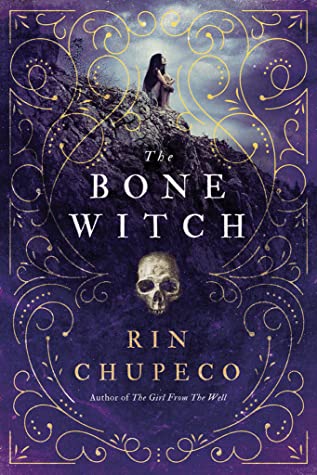
The Bone Witch by Rin Chupeco

The necromancy is strong in this book, with an added twist: raising the bones of ancient creatures and then commanding them with thought. I tried writing a book using this concept and failed to do it right -it’s harder than it seems. And Rin Chupeco does it with such skill. The book takes historical features like geishas, adds a dark magical system, and creates a whole new world and cast of characters. A great example of using what you know and then adding a twist to it. The feel of the magic is everywhere, and you just know how the magic can be used for good or ill, and how much havoc can be wreaked without the skill to manage it. Read my full review here.

*Originally published March 5, 2020.

Bestseller Formula: heart, mind, and guts

Becoming a bestseller would be many an author’s greatest fantasy. But, is there a formula?

Some would argue that focusing on becoming a bestseller is like shooting yourself in the foot–you’re not going to become something you’re chasing after by focusing exclusively on that object you’re chasing. That is, focusing on writing a bestseller means you’ll be too concerned when writing on how to make that book a bestseller that you’d ultimately fail because you’re focusing on the wrong things.

Others argue that there are distinct features of bestsellers, characteristics that make it “easy” to understand what makes the book and readers tick, and lands that book on a bestseller list.

In doing some research on what makes books bestsellers, and reading up on expert opinions, I found an NPR article that seemed to distill bestseller features into a 12-item list. Here are some features of that list:

  1. The book focuses on some major issue of its time, e.g. race in Gone with the Wind, or politics in The Hunt for Red October. 
  2. Broken or fractured families and relationships
  3. Protagonists who are outsiders to whatever society they live in or what to become part of.
  4. The American Dream, whether praised or condemned, is a motif of the books.
  5. Secret societies, e.g. The Da Vinci Code, and even Twilight, with its secret vampire societies.
  6. Wishful thinking, a la Fifty Shades of Grey.
  7. Power to connect with readers through mind, heart, and gut. That is, you have to appeal to the intellect, the emotions, and the senses of readers. This, I’d say is the key.

Doing some more research, I found an article listing out what John Baldwin discovered of bestsellers. He was struggling, but was determined to write a bestseller, and took to studying books that had already made the list. What he found was that bestsellers tended to have these characteristics in common:

  1. The hero is an expert. It could be magic, weapons, love, whatever the book centers on.
  2. The villain is also an expert.
  3. The villainous parts of the book have to be seen from the villain’s POV.
  4. The hero has to be backed up by experts of other fields. This makes me think of the show, Arrow, where the main character, Oliver, has a team made of up Felicity Smoak, John Diggle, and others that come on as the show proceeds.
  5. Those on the team must fall in love with each other, at least one couple.
  6. At least two of those on the team must die.
  7. The villain has to turn his attention to the team, away from his original intentions.
  8. Both the hero and the villain have to be alive to battle each other in the sequel.
  9. Any deaths have to progress from individuals to groups. You can’t say that xxx amount of people died in the plane crash; you must start out with “Jack and Jill died as the plane exploded,” and then move on to the group as necessary.
  10. When the plot begins to stale or hit a block, kill somebody off.

However, this list can be applied to both bestsellers and selling failures. At the end of the day, it is creativity, uniqueness, and a melding of genres into a mix that make the best books. I think the more human the book, the better. Human can mean different things to different people, but the more relatable, the more emotional, the more depth, and the more expression a book contains, the better it will be enjoyed for generations to come.

*Note: This article was originally published on January 12, 2016.

The First 50 Pages

I read Jeff Gerke’s “The First 50 Pages,” and of course, half the book is highlighted. Since I found the book to be useful, and I learned a lot reading it, I decided to outline some of the main points of the book.

“We have to engage your reader, first and foremost. You have to introduce your hero…establish the context of the story…reveal the genre and milieu and your story world…set up the tone of the book…presenting the stakes, introducing the antagonist, establishing the hero’s desires, starting the main character’s inner journey, and getting a ticking time bomb to start ticking down.”

That’s a lot to do in the first 50 pages…

“A weak first line is a killer. You get only one first line, so make sure it’s carefully thought-out.”

“…don’t start your novel with a dream.”

“Your opening line must hook your reader. You must start with action. But that doesn’t mean you have to have a battle scene or anything that needs to blow up. It simply means it must be interesting to the reader.”

“Good dialogue is…layered. In theater, it’s called subtext.”

“In good dialogue, dialogue with subtext, the characters aren’t responding to what the other person says, but to what they think the other person means.”

“Give your dialogue subtext, and it will be easier for agents and editors–and readers–to love your novel.”

“Fiction is conflict: someone who wants something but is prevented from getting it…The acquisitions editor is looking for signs of conflict in your first fifty pages.”

“…three main craft errors that most often cause agents and acquisitions editors to reject fiction proposals…The big three bombs are telling instead of showing, point-of-view errors, and weak characters.”

“…information dumping is called telling. Its main forms are backstory, pure exposition, summary/recap, and the explanation of character motives.”

“When you load your story with telling, you deprive your reader–and even your characters–of the joy of having it all happen experientially. Take the information out of the voice-overs (your telling) and put it into the scenes.”

“…there are only two things you must do with your first fifty pages, only two large-scale tasks…:

You must engage your reader. That is Job One. And you must set up your story so the rest of it will work correctly.”


*Note: This article was originally published on January 2, 2017. 

Angst, anger, and affection

Adding emotion to stories can be one of the more difficult aspects of writing. Sure, a writer knows what their characters are feeling, but can they make a reader *feel* the characters’ emotions?

That’s difficult.

I found a great article that was helpful in my own skill-building as I try to better learn how to slow down my writing and make my readers feel my characters.

One thing she says in the article is to “slow it down.”

Counselors tell us that thoughts lead to emotions, and emotions lead to actions. As a writer, you can easily show your character’s thoughts and actions. Readers are smart enough to deduce the emotions based on what the characters think and do. So often it seems writers are in a hurry.

And it’s true. Emotions are processed rapidly, yes, but humans also take time to “study” their emotions, and if not study, certainly to be swallowed by them. So as a writer, it’s important to let your characters feel, and sometimes, drown in their emotions (just not for too long – they do need to surface for air and move on).

Additionally, the article says, “There are two facets of emotion in fiction: conveying what your character is feeling and evoking emotion in your reader.

Here again, time is king. You need to give your characters the chance to feel and process, and in doing so, you let your reader have the time to imagine themselves as the character.

What do you think is the most effective way to convey emotion? Do you have a favorite book or scene from a book that showcases this skill?

Writing is Rewriting

I have written books before–none published as yet, but I’m working on that.

One thing I’ve learned–you can edit your book literally 20 times, and still not have it the way you want it to be. I have experience in this. I revised a manuscript some years back so many times, I ended up with 20 edits, and still wasn’t happy with the way the story flowed, especially since I have written the book as part of a series, and had finished the series in first-draft mode. Every time I sat down to the books to edit, I cringed. Every. Single. Time.

And each revision brought me to the thought, “Ok, I’m done now. It’s as good as it’s going to be at this point.”

But that’s the thing, it’s as good as it’s going to be “at this point.” Six months from now is not “as this point.” It’s six months from this point. And six months makes a huge difference in your perspective on your manuscript and on how to edit it.

Michael Crichton said:

“Books aren’t written—they’re rewritten. Including your own. It is one of the hardest things to accept, especially after the seventh rewrite hasn’t quite done it.”

He’s right. You can have a wonderful story, but that doesn’t mean it flows well and that the technicalities of writing are what they should be. Books are rarely written in first-draft mode and published as is, and become bestsellers. They have to be rewritten, and rewritten, and rewritten, and rewritten again.

So how do you edit your book? Each author has their own method of madness, but many would agree that these steps are critical:

  1. Keep your hands to yourself.

It’s typically a good idea to let your book sit for a while, at least a week, preferably a few months. This gives you a chance to forget about some details, get a fresher perspective, gain new experiences in the time being, and work on other projects. Resist the urge to set fingers to keyboard and begin the editing process.

Distancing yourself is one of the best things you can do when editing your manuscript.

  1. Eye candy.

Give yourself a chance to read through your manuscript, not with the intent of editing it immediately, but to refresh your mind on the story’s details. Sometimes, you’ll find that you wrote something in a scene, but then never used, so it was wasted or irrelevant to your story arc. You can keep a track of details and notes, but don’t worry about editing things right now. You’re a reader here, not a (re)writer.

  1. 12’s a charm.

Write a bunch of short synopses of your book—and write 12 of them. Getting a different perspective on your book each time can help you focus on the story itself, especially if you are writing fiction. The goal here is to acquaint yourself with different perspectives that all include the core components of your story. I usually try to create a few scenarios—trying to examine several facets of the story. It’s helpful to do this after you’ve distanced yourself from your manuscript for a while, and then have re-read it.

  1. Kill it with fire!

Start rewriting. Focus with fixing sentence structure, ripping out paragraphs, and even entire chapters. Do this mindfully, with the intention of tightening your writing, and fixing major structural issues within your plot. You have have left out key items, or added erroneous or irrelevant ones. The goal here is to excise and seal.

5. You spin me ‘round…

You’re probably going to go through no less than 3-4 revisions, and most likely are going to rewrite about 10 times—and that’s no exaggeration.

6. …like a record, baby…

You’re going to go through editing again. Focus now on tightening, because at this point, you should’ve fixed the major structural inadequacies of your plot. Worry about removing excess words, making scenes more descriptive, improving dialogue.

7. Mirror, mirror, on the wall!

Worry now about polishing your manuscript. Go through and make sure that sentences are reflecting what you want them to reflect. Make sure your writing is a mirror that reflects what your mind’s eyes see.

8. Beta me this.

Send it to workshop buddies, writing buddies, and friends/family members. Have others critique. Make sure you find people who can be both nice but harsh; they won’t sugarcoat their criticisms and tell you it’s all fine, but they won’t be cruel to you and bring you down. Find as many beta readers as you can—the more the better. Yes, too many chefs spoil the plot, but if a bunch of people are saying the same thing, you can be assured that they’re probably right.

9. Waterproof it.

Give your manuscript one more look-through. Make sure everything’s as tight as possible.

10. Find an agent or publisher!

Between the editing steps, you should let your manuscript sit, for at least a few weeks, if not a few months. Rushing through the steps will get you nothing except an manuscript that stays rough.


*Note: This article was originally published on January 13, 2016.